
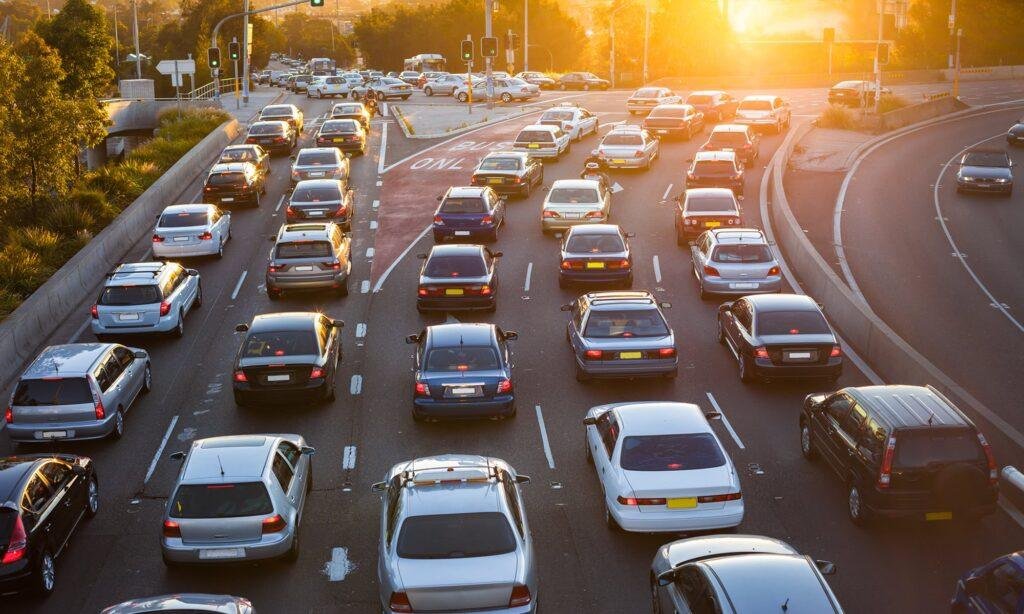

Introduction: The Growing Problem of Traffic Jams in American Cities
Traffic congestion persists to be a major challenge in American cities. The INRIX 2024 Global Traffic Scorecard reported a 2023 happening on U.S drivers that lost 42 hours stuck in traffic, nearly a full work week. Cities like New York, Chicago Ill as well as Los Angeles, Calif, face the worst conditions, with commuters spending nearly 100 hours annually in gridlock (according to a CNBC analysis ). This comes at a huge economic cost. Analysis on Reason.org estimated these delays lead to billions in lost productivity and wasted fuel. Although there was a dip during the pandemic, in which traffic levels largely returned to pre-pandemic totals, showing the need for new, smart urban transit solutions, a trend noted by CCJ Digital.
Traditional fixes are falling short; cities across America are now turning to innovative technology and policy approaches to relieve congestion and improve commuter experience (https://www.usnews.com/news/cities/articles/10-cities-with-the-worst-traffic-in-the-us).
Why Traditional Solutions Aren’t Enough
For decades, the most common response to traffic congestion has been to build more roads or widen existing highways. While these may offer short-term relief, they are not enough to keep up with the rapid growth of urban populations and vehicle numbers. In most cases, expanding roads only encourages more driving—a phenomenon known as induced demand—which eventually leads to even worse traffic jams.
Experts now recognize that simply adding pavement isn’t a sustainable solution. Cities like Los Angeles and Houston have invested billions in road expansions, yet they still rank among the most congested in the country. This trend underlines the need for a fundamental shift in how urban transportation is planned and managed.
Instead of focusing solely on building infrastructure, urban planners and policy makers now turn towards smarter, technology-enabled solutions that optimize existing networks, reduce unnecessary car trips, and provide commuters with convenient alternatives. This approach promises longer-lasting congestion relief and a better overall experience for city dwellers.
What Is Urban Transit Innovation?
Urban transit innovation refers to new and creative solutions designed to improve how people move through cities, addressing challenges like congestion, pollution, and accessibility. It involves updating traditional transportation systems by integrating technology, smart policies, and improved services that make getting around more efficient and user-friendly.
At its core, urban transit innovation includes several key components:
- Public transportation improvements such as buses, trams, subways, and light rail that move many people efficiently.
- Technology integration like real-time tracking apps, mobile ticketing, and AI traffic management, which help optimize routes and reduce wait times.
- Sustainability initiatives including electric and low-emission vehicles, encouraging greener commuting options to reduce pollution.
- Multi-modal transportation platforms that combine different travel options—such as biking, ride-share, and transit—into one seamless trip, often managed through a single digital app (StudySmarter, 2024).
Cities like Amsterdam and Barcelona have embraced these innovations, with extensive bike lanes, electric buses, and integrated transit apps creating more sustainable and congestion-free environments
Urban transit innovation is not just about technology; it’s about creating accessible, efficient, and environmentally friendly systems that fit the unique needs of each city and its residents. This holistic approach is key to solving the traffic congestion epidemic faced by American cities today (CIVITAS Initiative, 2020).
Spotlight on America’s Bold New Transit Innovations
The landscape of public transit in the United States is undergoing an exciting transformation with several bold innovations aiming to break through chronic congestion and improve how millions commute daily.
One of the fastest-growing trends is Bus Rapid Transit (BRT)—structured bus routes with dedicated lanes, modern stations, and real-time arrival information that offer faster, more reliable service. Cities like Los Angeles, Denver, Houston, and Indianapolis are investing heavily in BRT projects. For example, the Vermont Avenue BRT corridor in Los Angeles, set to begin operations in 2028, promises high-frequency, electric bus service designed to enhance mobility and reduce road congestion (Firmographs, 2025).
Comprehensive transit expansion is also in progress across the country. Nationwide, over 100 kilometers of new light rail and streetcar lines, along with hundreds of kilometers of improved bus lines, are expected to open in 2025. Cities like Atlanta are launching new rapid bus services with dedicated lanes, further integrating their transit networks to reduce reliance on cars (The Transport Politic, 2025).
Technology-based innovations play a key role as well. Real-time tracking and mobile ticketing improve rider experience, while autonomous vehicle pilots—including self-driving shuttles—are being piloted in select urban areas to explore efficiency gains (Oliver Wyman Forum, 2025). This shift toward electrification and automation not only aims to ease traffic but also supports sustainability goals, lowering emissions in some of the country’s most polluted cities.
These multi-pronged innovations show how American cities are combining infrastructure upgrades with groundbreaking technology to create transit systems that are not only efficient but environmentally responsible and user-centric—an essential evolution for urban centers overloaded with vehicles and congestion.
Early Impact: Results from Pilot Programs and City Rollouts
Several American cities that have embraced bold transit innovations are already seeing promising early results, with real improvements in congestion and commuter satisfaction.
For instance, cities that have expanded Bus Rapid Transit (BRT) systems report faster, more reliable service that encourages commuters to leave their cars at home. Los Angeles’ Vermont Avenue BRT corridor, while still nearing completion, promises an efficient, all-electric service that is expected to reduce travel times significantly on one of the city’s busiest routes (Firmographs, 2025). In Denver, the launch of new rapid bus lines with dedicated lanes has led to measurable traffic flow improvement along key corridors (The Transport Politic, 2025).
Technology upgrades are also generating significant rider benefits. Real-time transit tracking apps and mobile ticketing platforms streamline the commuter experience by reducing uncertainty and wait times. Autonomous shuttle pilots in cities like Austin are exploring how driverless vehicles can serve as last-mile connections, improving accessibility for riders and easing congestion hotspots (Oliver Wyman Forum, 2025).
Early data from these programs indicate reductions in average travel times, lower vehicle volumes on congested roads, and increased public transit ridership. Surveys show commuters appreciate reduced delays and the convenience of integrated mobility options, highlighting the importance of user-friendly innovation in winning over riders.
These results, though preliminary, highlight how combining infrastructure upgrades with smart technology and service redesign can start to chip away at America’s infamous traffic jams, improving urban mobility in meaningful ways.
Breaking Down Complex Transit Concepts
Urban transit can seem complicated, but understanding a few key concepts can make it easier to appreciate how innovations improve city travel.
At its simplest, urban transit means shared transportation systems that move people within cities. This includes buses, subways, light rail, streetcars, and commuter trains—all designed to carry many passengers efficiently. Unlike driving a personal car, transit systems aim to use less space and reduce congestion by moving groups of people together on fixed routes or flexible networks (Prism Sustainability Directory, 2025).
One important concept is Bus Rapid Transit (BRT). Think of it as a bus service that works like a subway on wheels. BRT buses run on dedicated lanes separated from regular traffic, making stops at modern stations with real-time arrival signs. This setup reduces delays and keeps buses moving smoothly even in busy city areas.
Another term to know is Mobility as a Service (MaaS)—a system where different transport options (like bike-share, buses, subways, and rideshares) are combined into one digital platform. Riders can plan, book, and pay for an entire trip across multiple modes with one app, creating a seamless alternative to driving (StudySmarter, 2024).
Autonomous vehicles (AVs) are also reshaping urban transit. These self-driving shuttles or buses can operate on fixed routes or dynamically adjust to demand, improving accessibility especially in neighborhoods underserved by traditional transit.
From the environmental side, electrification means replacing diesel buses with electric ones, cutting pollution and noise in neighborhoods.
By demystifying these concepts, it becomes clear how each part plays a role in creating transit systems that are faster, greener, and more user-friendly—critical for reducing urban congestion and improving quality of life.
Equity and Accessibility: Ensuring Innovations Help All Communities
As cities modernize their transit systems, equity and accessibility have become central priorities. It’s essential that new innovations don’t just serve some neighborhoods or populations but provide fair and affordable access for everyone, including low-income communities, seniors, and people with disabilities.
Recent research and projects highlight efforts to identify and reduce barriers in public transportation. These include improving physical access with features like low-floor buses and accessible transit stations, as well as digital access through user-friendly apps and services designed for people with diverse abilities (UITP Asia-Pacific Centre, 2025). Additionally, cities are working to keep transit affordable and ensure service coverage extends to underserved areas.
One promising trend is the rise of on-demand, microtransit services that fill gaps in traditional fixed-route transit. Programs like Richmond, California’s demand-responsive electric shuttles offer sustainable transportation connecting underserved neighborhoods to main transit hubs, enhancing last-mile connectivity and social inclusion (Trellis, 2024).
Collaboration between public agencies, private companies, and community groups is also vital. Initiatives like Via’s TransitTech platform coordinate ride-sharing and microtransit to extend the reach of public transportation while ensuring compliance with accessibility standards.
By embedding equity and accessibility into the core of transit innovation, cities can ensure that all residents benefit from improved mobility, supporting economic opportunity and social integration across diverse urban populations.
Challenges Still Ahead
Despite the exciting progress, urban transit innovation faces significant challenges before it can fully solve America’s congestion crisis.
One major hurdle is funding uncertainty. Building new infrastructure or upgrading fleets to electric buses requires substantial investment, and public transit agencies often operate with tight budgets. Securing stable, long-term funding streams is critical to sustaining current projects and launching new initiatives.
Workforce shortages also pose difficulties, especially in hiring and retaining qualified transit operators, mechanics, and drivers. As the sector modernizes with automation and electrification, training and workforce adaptation are essential to ensure smooth transitions.
Another challenge is technology implementation and integration. While AI, real-time data, and autonomous vehicles hold promise, they demand extensive testing and collaboration between public agencies and private tech vendors. Concerns around data privacy and cybersecurity must be carefully managed to maintain rider trust.
Public transit agencies must also rethink their service models to reflect shifting travel patterns in a post-pandemic world. As some people continue remote work while others return to offices, agencies need adaptable, data-driven route planning and service frequencies to meet fluctuating demand (Optibus, 2025).
Lastly, equity considerations require vigilance to prevent innovation from exacerbating disparities. Inclusive planning, outreach, and affordability measures must remain front and center.
Despite these challenges, industry leaders emphasize collaboration, resilience, and innovation as the path forward. With continued investment, policy support, and technological advances, urban transit has the potential to transform how Americans move through their cities in the coming years (Optibus Public Transportation Report, 2025).
What Commuters Can Do to Benefit Today
While cities continue to invest in bold transit innovations, commuters don’t have to wait to start enjoying the benefits. By embracing some simple strategies, riders can make their daily travel faster, smoother, and less stressful right now.
First, downloading and using real-time transit apps is key. These apps provide live bus and train arrival times, service alerts, and offer trip planning across multiple modes of transportation, helping riders avoid frustrating waits and missed connections. Many cities have integrated ticketing through these platforms, allowing contactless payments to speed boarding.
Secondly, exploring multi-modal options can reduce dependence on driving alone. Combining bike-share for the first mile, a rapid bus for the main trip, and a microtransit shuttle for the last mile can often save time and money compared to driving and parking.
Commuters should also familiarize themselves with congestion pricing zones if their city has adopted or is piloting these. By traveling outside peak hours or using public transit options within these zones, they can avoid fees and help reduce traffic.
Finally, getting involved in local transit planning conversations can amplify rider voices, ensuring future innovations remain user-focused and equitable.
By leveraging available technology and staying informed, commuters can already experience many advantages of America’s evolving transit landscape, making their daily journeys easier while contributing to less congested, more sustainable cities.
Looking Ahead: The Future of Urban Transit Innovation in America
As we move deeper into 2025 and beyond, the future of urban transit looks increasingly smart, connected, and sustainable. Emerging technologies and innovative concepts are set to reshape how Americans get around their cities.
Artificial intelligence (AI) is playing a pivotal role by enabling real-time data analytics for predictive transit scheduling, fleet management, and route optimization. Cities can better match service frequency to actual demand, reduce delays, and improve rider satisfaction through data-driven decision-making (KubaPay, 2025).
Mobility as a Service (MaaS) platforms are growing in sophistication, offering personalized travel planning with multi-modal integration—combining buses, trains, bike-shares, ride-hailing, and even micro-mobility options into a single, seamless journey. This not only increases convenience but encourages public transit use over personal car trips (Worldline, 2025).
Sustainability remains a major focus, with ongoing electrification of transit fleets reducing emissions and noise pollution. Future transit systems are expected to be greener, more energy-efficient, and better aligned with environmental goals.
Moreover, new concepts such as digital twins—virtual replicas of urban transport networks—are emerging to test and optimize transit operations in a risk-free environment before physical implementation.
Public-private partnerships will also continue to play a crucial role, with collaborations fueling innovation and investment beyond what public agencies alone can achieve (Forbes, 2025).
In sum, America’s transit future is poised to be more intelligent, personalized, accessible, and sustainable—offering a hopeful path forward to break congestion’s grip and improve quality of life for urban residents.




There is a reflective rhythm here, one that mirrors natural breathing. Reading becomes both a mental and emotional experience, grounding yet elevating.