

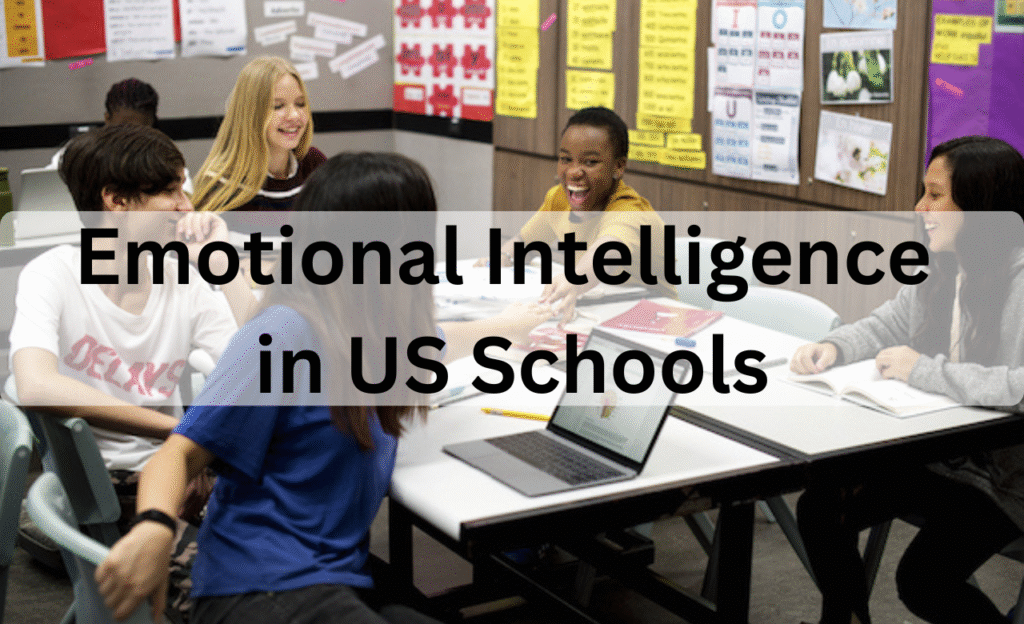
Problem-solving is a skill that everyone wants their kids to have, especially in school. But here’s the thing: it’s not just about solving math problems or science questions. Real problem-solving is about dealing with life’s challenges, big or small, and that takes more than just brainpower. It takes emotional smarts, something called emotional intelligence. And guess what? Emotional intelligence could be the secret sauce schools need to help students truly succeed in solving problems.
What is Emotional Intelligence Anyway?
You might have heard the term before, but what exactly is emotional intelligence? Simply put, it’s the ability to understand, use, and manage your own emotions in positive ways. It also means being able to recognize and understand emotions in others. When students have good emotional intelligence, they can stay calm when things get tricky, get along better with classmates, and think clearer because they’re not overwhelmed by stress or frustration.
Why Does Emotional Intelligence Matter in Problem Solving?
When kids face a tough problem, whether it’s a difficult project, a fight with a friend, or figuring out how to study better, it’s their emotions that can either help or hurt their chances of finding a solution. If they’re too stressed or upset, their thinking shuts down. But if they can handle those feelings, stay calm, and look at the problem with a clear head, they’re way more likely to come up with a smart answer.
Emotional intelligence gives kids the tools to:
- Stay cool under pressure
- See problems from different viewpoints
- Work well with others even when they don’t agree
- Bounce back after mistakes instead of giving up
This mix of emotional awareness and thinking skills is what really sets great problem solvers apart.
How Schools Can Teach Emotional Intelligence
Here’s the good news: emotional intelligence isn’t something kids either have or don’t have. It’s a skill that can be taught, practiced, and grown over time just like reading or math. Some US schools are starting to realize this and are bringing emotional intelligence training right into the classroom.
Teachers can help students build emotional intelligence through things like:
- Talking about feelings openly and honestly
- Role-playing different social situations to practice empathy
- Teaching mindfulness and stress-reduction techniques
- Encouraging teamwork and group problem-solving activities
- Reflecting on mistakes as learning moments instead of failures
These approaches don’t just make kids feel better, but they also give them practical tools to tackle real-life problems.
The Real-Life Impact on Students
Students who develop emotional intelligence tend to do better in school overall. They’re more focused, show better behavior, and have stronger relationships with teachers and peers. When it comes to problem solving, these kids are more patient, more creative, and more willing to try new solutions. They don’t get stuck in frustration but instead keep moving forward.
This not only helps in school, but it also prepares students for life. Emotional intelligence is a cornerstone for success in work, relationships, and personal growth.
Why We Need to Talk About Emotional Intelligence Now
The world today is faster, more complex, and more unpredictable than ever. Kids face pressures from all sides, social media, academic expectations, family stress, you name it. Traditional problem-solving skills alone aren’t enough anymore.
Emotional intelligence adds that human touch, helping students not just survive but thrive in tough situations. It’s about making education more than memorizing facts, and instead, preparing kids to be resilient, thoughtful, and skilled problem solvers for whatever life throws their way.
Streamline Emotional Intelligence Learning: Products That Help
Implementing emotional intelligence training can be easier and more effective with the right tools. Here are some recommended products that educators and parents can use to build emotional intelligence and improve problem-solving skills in kids:
- Emotional Intelligence Learning Kits and Games: For example, “The Zones of Regulation” Toolkit or Emotional Intelligence Card Games available on Amazon help children recognize, understand, and manage their emotions through engaging activities.
- Mindfulness and Stress-Relief Tools: Products like kid-friendly mindfulness journals, stress balls, or guided meditation audio sets assist children in practicing calmness and focus, which are essential for clear thinking during problem solving.
- Collaborative Learning Tools: Board games and books focused on cooperative learning support empathy and teamwork, crucial skills for group problem-solving in classrooms.
- Educational Books on Emotional Intelligence: Titles such as Emotional Intelligence 2.0 by Travis Bradberry or Raising An Emotionally Intelligent Child by John Gottman offer practical strategies for parents and educators to nurture emotional skills effectively.
Using these kinds of products alongside classroom instruction or home practice helps make emotional intelligence development accessible, hands-on, and enjoyable for students. They provide a supportive foundation that turns emotional smarts into real-world problem-solving success.
To round it all up, if you’re wondering what will truly help the next generation be ready for the challenges ahead, emotional intelligence is a clear answer. It’s that extra skill behind the scenes that makes all the difference when it comes to solving problems from the classroom to the real world.
Schools that embrace emotional intelligence aren’t just teaching kids how to think—they’re teaching them how to feel, how to understand others, and ultimately, how to be better problem solvers for life.
So next time you think about problem-solving education, remember: it’s not just about the brain. It’s about the heart, too. And that’s the secret sauce every kid deserves.