

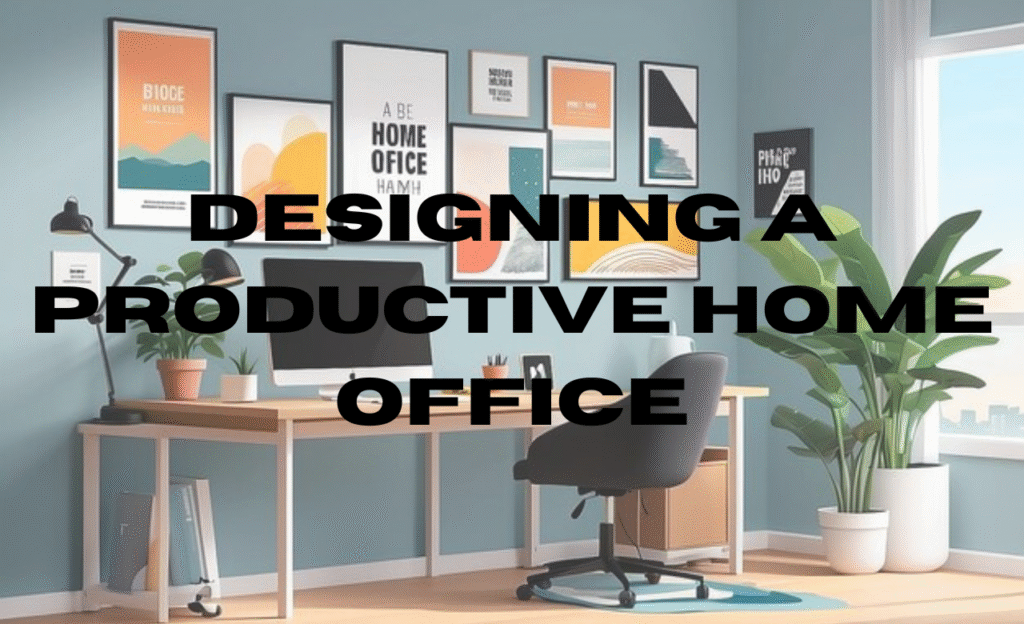
In the era of remote work, having a productive and comfortable home office is no longer a luxury—it’s a necessity. With millions of Americans working from home, creating a workspace that promotes focus, creativity, and well-being has become a priority. But designing a home office that truly works can be tricky. Every individual’s needs and home environment differ, so the space must be carefully crafted to support productivity and balance.
This blog dives into how remote workers across the US can design a home office tailored for success. It covers the essentials from ergonomics to organization, mindset to technology, and everything in between. The goal is to inspire and guide you in creating a space that feels personal, efficient, and sustainable—because a well-designed home office is a cornerstone of thriving in remote work.
Understanding Your Remote Work Style and Needs
Before jumping into furniture and gadgets, it’s crucial to spend some time reflecting on your work habits, goals, and home layout. Remote work means something different to everyone. Some thrive on silence, others on background ambient noise. Some need sprawling desks for multiple monitors; others prefer minimalist setups.
Ask yourself these questions:
- What type of tasks make up most of my day? (Calls, writing, coding, design, meetings)
- How many hours do I typically work at home?
- Do I need privacy from housemates or family during work hours?
- What lighting conditions help me focus best?
- How much space can I realistically dedicate to a home office?
- What distractions am I prone to, and how can my space minimize them?
Understanding your unique workflow and preferences is the foundation upon which curated design decisions can be made.
Ergonomics: The Cornerstone of Comfort and Productivity
It’s tempting to set up a workspace wherever there’s an empty table or a quiet corner. But poor ergonomics can lead to physical discomfort, fatigue, and decreased productivity. Investing in ergonomic furniture and accessories ensures your body can endure long workdays without strain.
Key ergonomic considerations:
- Chair: Choose an adjustable, supportive office chair with lumbar support. Your feet should rest flat on the floor or on a footrest.
- Desk Height: Ensure the desk or table allows your wrists to be straight, and your elbows close to your body at about 90 degrees.
- Monitor Position: The top of your screen should be at or just below eye level to reduce neck strain.
- Keyboard & Mouse: Keep these within easy reach, with your wrists in a neutral position.
- Consider standing desks or desk converters to alternate between sitting and standing, which promotes circulation and reduces fatigue.
Lighting: Setting the Mood for Focus and Energy
Good lighting—both natural and artificial—is essential for a productive home office. Natural light boosts mood and energy, so situate your workspace near windows whenever possible. But be mindful of glare on screens.
For artificial lighting, invest in layered lighting:
- Ambient Lighting: General room lighting that fills the space evenly.
- Task Lighting: Adjustable desk lamps focused on your work area.
- Avoid harsh overhead fluorescents; opt for warm or daylight LED bulbs with adjustable brightness.
Adding smart lighting that can mimic natural daylight rhythms can further enhance alertness during work hours.
Decluttering and Organization: Clear Space, Clear Mind
A cluttered desk rarely equates to a clear headspace. Organizing your workspace to reduce distractions and keep essential tools within reach helps maintain focus.
- Use trays, drawers, or stylish bins for papers, cables, and office supplies.
- Mount shelves or use wall organizers to free up desk space.
- Digital organization is equally important. Streamline files, emails, and apps regularly to avoid digital overwhelm.
- Minimalist and clean aesthetic setups reduce visual distractions and set a calming tone.
Personalization: Make the Space Your Own
Your home office should reflect your personality and preferences. Adding personal touches can make the space welcoming and motivate you to work.
- Incorporate artwork, inspirational quotes, or plants.
- Use colors that energize or soothe you—blues and greens promote calm; yellows can boost creativity.
- Select furniture and decor styles that resonate with your taste, so the environment feels inviting.
Technology and Tools: Equip for Efficiency
Remote work often hinges on reliable technology.
- Invest in a solid Wi-Fi connection or consider a wired Ethernet setup for stability.
- Use noise-cancelling headphones to block background sounds.
- Dual monitors boost multitasking capability.
- Cable management solutions prevent messy tangles.
- Ergonomic keyboards and mice prevent strain.
Don’t forget software tools for productivity, like task managers, communication apps, and time trackers, to keep your workflow smooth.
Boundaries and Routine: The Psychology of Home Productivity
A home office is more than physical space—it’s about setting boundaries and routines that distinguish work from personal life.
- Set clear work hours and communicate availability to family or housemates.
- Use signals or door signs to indicate when you’re “in the zone.”
- Take scheduled breaks and incorporate short movement or stretching sessions.
- End your day with a shutdown ritual to mentally “leave work.”
These habits help maintain balance and prevent burnout.
Adaptability: Flexibility for Changing Needs
Your home office should evolve with your life and work.
- Choose modular furniture that can be repositioned or expanded.
- Keep adaptable lighting and decoration themes.
- Be open to rearranging your space periodically to counteract stagnation.
Conclusion
Designing a productive home office doesn’t have to be a daunting project. By understanding your work style, prioritizing ergonomics, incorporating smart lighting, staying organized, personalizing your space, investing in technology, setting boundaries, and embracing adaptability, you can create a home office that helps you show up fully every workday.
Remember, productivity is more than just output—it’s about feeling balanced, focused, and comfortable in a space designed for your success.
It’s time to reimagine your work-from-home routine by starting with a home office that truly works for you.