

HIV explained all you need to know
Let’s talk about something many people hear about but don’t fully understand — HIV.
Not in a scary medical way. Not in a complicated textbook way. But in a simple human way. The kind of explanation you can tell a friend and they will understand without stress.
HIV stands for Human Immunodeficiency Virus. It is the virus that attacks the body’s defense system. When it gets serious and untreated, it can lead to AIDS.
HIV/AIDS is not something that shows up overnight. It is something that works slowly in the body, quietly weakening the immune system over time.
Now let’s break everything down step by step.
⸻
- What HIV Really Does in the Body (Simple Explanation)
Think of your body like a house.
Inside that house, you have security guards. These guards are your immune system. Their job is to fight anything that tries to harm you — bacteria, viruses, infections.
Now imagine a thief enters the house, but instead of stealing things directly, he attacks the security guards first.
That is what HIV does.
It attacks a special type of immune cell called CD4 cells (you don’t need to remember the name). These cells are like commanders of your body’s defense team. When they reduce, the body becomes weak.
At first, you may not feel anything. That’s the tricky part. Many people live for years without knowing they have it.
But slowly, the body becomes more open to sickness — fever, infections, weight loss, and other illnesses that keep coming back.
⸻
- How People Get HIV (The Real Ways)
HIV does NOT spread through touching, hugging, or sharing food. That is one of the biggest misunderstandings.
Here are the real ways people get it:
- Unprotected Sex
This is the most common way.
If someone has HIV and has unprotected sex (without condom), the virus can pass through body fluids like:
• semen
• vaginal fluids
• blood
It enters through small tears in the skin or mucus inside the body.
⸻
- Sharing Sharp Objects
If infected blood is on a sharp object, it can pass to another person.
Examples:
• used needles
• blades
• tattoo needles
• unsterilized medical tools
⸻
- From Mother to Child
An infected mother can pass HIV to her baby:
• during pregnancy
• during childbirth
• through breastfeeding (if not managed properly)
But today, medicine can reduce this risk a lot if treatment is started early.
⸻
- Blood Transfusion (Rare Now)
In places where screening is weak, infected blood can transmit HIV.
But nowadays, hospitals test blood before using it, so this is less common.
⸻
- Things That DO NOT Spread HIV
This is very important because many people still fear wrongly.
You cannot get HIV from:
• shaking hands
• hugging someone
• sharing plates or food
• toilet seats
• mosquito bites
• saliva (kissing is very low risk unless blood is involved)
HIV is not a “casual contact” disease. It needs direct exchange of infected body fluids.
⸻
- Signs and Symptoms (What People Notice)
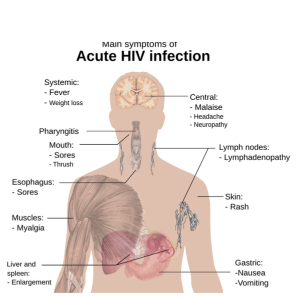
At the early stage, many people feel nothing.
Later, some may experience:
• constant tiredness
• fever that keeps coming back
• weight loss without trying
• swollen lymph nodes (neck, armpit, groin)
• night sweats
• frequent infections
But even these signs are not enough to confirm HIV. Only a test can confirm it.
That’s why testing is important. You cannot guess HIV from symptoms alone.
⸻
- How to Avoid HIV (Simple Protection Steps)
Prevention is always easier than treatment. Here’s how people protect themselves:
- Use Protection During Sex
Condoms reduce the risk a lot when used properly.
It is not about fear — it is about responsibility.
⸻
- Know Your Partner’s Status
If both partners test negative and stay faithful, risk is very low.
Testing is not about mistrust. It is about safety.
⸻
- Avoid Sharing Sharp Objects
Never share:
• razor blades
• needles
• piercing tools
Even if it looks clean, you cannot see viruses with your eyes.
⸻
- Get Tested Regularly
If someone is sexually active, regular testing helps early detection and peace of mind.
⸻
- Prevention Medication (For High Risk Cases)
Some people take PrEP (pre-exposure prophylaxis), a medicine that reduces risk before exposure.
This is used under medical advice.
⸻
- If Someone Already Has HIV — What Happens?
This is where many people get confused.
HIV is NOT a death sentence anymore.
It is not something that ends life immediately.
With proper treatment, people live long, normal lives — work, marry, have children, and grow old.
The key is treatment.
⸻
- Can HIV Be Cured?
Let’s be very honest here:
There is currently NO permanent cure for HIV.
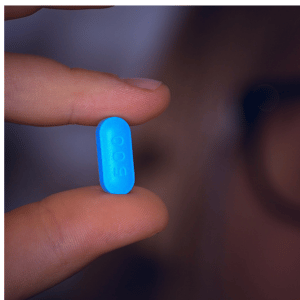
But there is very powerful treatment called antiretroviral therapy (ART).
This treatment does something amazing:
• it stops the virus from multiplying
• it protects the immune system
• it helps the person live a healthy life
• it can make the virus so low it cannot be detected in blood tests
When HIV becomes “undetectable,” it cannot be transmitted sexually. This is called “U=U” (Undetectable = Untransmittable).
So while it is not cured, it is controlled very well.
⸻
- How People Manage HIV Today (Real-Life View)
Imagine someone finds out they have HIV.
At first, it can feel like fear, confusion, even shame. But after counseling and treatment, life becomes stable again.
Here is what management looks like:
- Daily Medication
The person takes ART drugs every day, usually one or two tablets.
Skipping doses can make the virus stronger, so consistency is key.
⸻
- Regular Hospital Checkups
Doctors check:
• viral load (amount of virus in blood)
• CD4 count (immune strength)
⸻
- Healthy Living
Good food, rest, and avoiding stress help the immune system.
⸻
- Emotional Support
Support from family or friends matters a lot. People who feel supported manage better.
⸻
- Common Myths People Still Believe
Let’s clear some false ideas:
Myth: HIV comes from curses or spiritual attack
Truth: It is a virus passed through body fluids.
⸻
Myth: Someone with HIV will die soon
Truth: With treatment, people live long healthy lives.
⸻
Myth: You can tell by looking at someone
Truth: You cannot. Many people look completely healthy.
⸻
- The Most Important Message
HIV is serious, yes. But it is also manageable.
The real danger is not just the virus itself — it is ignorance, fear, and silence.
When people avoid testing, avoid treatment, or believe wrong information, that is when HIV becomes more dangerous.
But when people:
• test early
• start treatment early
• protect themselves
They take control back.
⸻
Final Thought
HIV is not the end of life. It is a condition that requires understanding, discipline, and care.
If you remember nothing else from this article, remember this:
• You can prevent HIV
• You can live a full life with HIV
• But there is currently no full cure — only strong control through medication
Knowledge is protection. Testing is power. Treatment is life.
And the earlier people understand this, the safer everyone becomes.