
A fever or swollen glands after a possible HIV exposure can feel frightening. However, early signs of HIV often resemble flu-like symptoms, COVID-19, mono, or many other common illnesses, so symptoms alone cannot confirm what is happening.
The clearest answer comes from testing at the right time. Understanding the possible symptoms, which can indicate the onset of acute HIV infection, testing windows, and urgent options can help you act without panic.
Medical disclaimer: This article is educational and cannot diagnose HIV or any other condition. If you may have been exposed to HIV, seek prompt testing and speak with a qualified clinician or local sexual health service.
Key Takeaways
- Early HIV symptoms may appear two to four weeks after infection, but many people have no symptoms at all.
- During acute HIV infection, individuals may experience symptoms such as fever, rash, sore throat, swollen lymph nodes, fatigue, and muscle aches.
- These symptoms often overlap with other common illnesses, meaning that only an HIV test can provide a definitive answer regarding your status.
- If you believe you have been exposed to the virus, post-exposure prophylaxis (PEP) must be started within 72 hours to be effective.
- Modern medical treatments allow people living with HIV to enjoy long and healthy lives. Consistent medication can lead to an undetectable viral load, which means a person cannot sexually transmit the virus, a concept known as U=U.
When Early HIV Symptoms May Appear
The first stage of HIV is called acute HIV infection. During this time, HIV multiplies quickly in the body, and the viral load can become high. Some people develop symptoms about two to four weeks after exposure.
Others feel completely well. The absence of symptoms does not rule out HIV, which is why testing matters after any exposure that carries risk.
Acute HIV symptoms often last several days to a few weeks. They may fade on their own, even without treatment. That can create false reassurance, because acute HIV infection can continue damaging the immune system over time if it goes untreated.
According to the CDC’s overview of HIV symptoms, early infection can look much like a short-term viral illness. A person might assume they caught a cold or had a stressful week, especially if symptoms are mild.
Timing can offer a clue, but it cannot give certainty. For example, a sore throat the day after a possible exposure would be too soon to result from HIV. A fever and rash three weeks later may fit the usual timing, but those early signs of HIV still have many possible causes.
Common Early Signs of HIV Infection
The earliest stage of the virus is often called acute retroviral syndrome. Many people develop flu-like symptoms as the body mounts an initial response to an acute HIV infection. These signs can vary widely between individuals, both in type and severity.
Common symptoms include:
- Fever or chills
- Tiredness that feels unusual or persistent
- Sore throat
- Swollen lymph nodes, often in the neck, armpits, or groin
- Muscle aches, joint pain, or headache
- Skin rash, often on the trunk
- Night sweats
- Mouth ulcers
- Diarrhea, nausea, or reduced appetite
- Weight loss
- Oral thrush
A skin rash linked with acute HIV can be flat or slightly raised. It may appear on the chest, back, face, arms, or legs. However, a rash has many other potential explanations, including medication reactions, allergies, other viral infections, and common skin conditions.
Swollen lymph nodes are also nonspecific. Lymph nodes respond when your immune system detects any form of infection or inflammation. They can enlarge after a common cold, a dental problem, strep throat, or many other illnesses.
Early symptoms can raise the need for testing, but they cannot confirm HIV. A test is the only reliable way to know your status.
Some symptoms call for medical care regardless of HIV risk. Get urgent help for trouble breathing, severe headache, confusion, chest pain, fainting, dehydration, or a rapidly spreading rash. If you have a fever after a recent exposure, tell the clinician when the exposure occurred and ask about HIV testing.
Why Symptoms Can’t Tell You Your HIV Status
HIV does not create one unmistakable symptom pattern. A person can have acute HIV with fever and rash, or no noticeable symptoms at all. Meanwhile, someone with all the classic flu-like symptoms may test negative for their HIV status.
This uncertainty can be hard to sit with. Still, scanning your body each day rarely gives a useful answer. It often increases anxiety while delaying the practical step that matters most: testing.
Risk also depends on the type of exposure. HIV can pass through certain body fluids (such as blood, semen, pre-seminal fluid, rectal fluids, vaginal fluids, and breast milk). Transmission can occur through unprotected sex, shared needles, or exposure to blood in certain situations.
It is also important to note that HIV symptoms can manifest differently depending on the individual. In women, signs such as pelvic inflammatory disease, menstrual cycle changes, and recurrent vaginal yeast infections can sometimes be associated with HIV infection.
Oral sex carries little to no HIV risk in most circumstances, although other sexually transmitted infections can spread that way. HIV does not spread through hugging, sharing food, toilet seats, saliva, closed-mouth kissing, or casual contact.
A recent negative test may not settle the question if it happened before the test could detect infection. That is why the date of exposure and the type of test matter. A clinician can help you choose the right test and decide whether repeat testing is needed to confirm your HIV status.
HIV Testing Windows in 2026
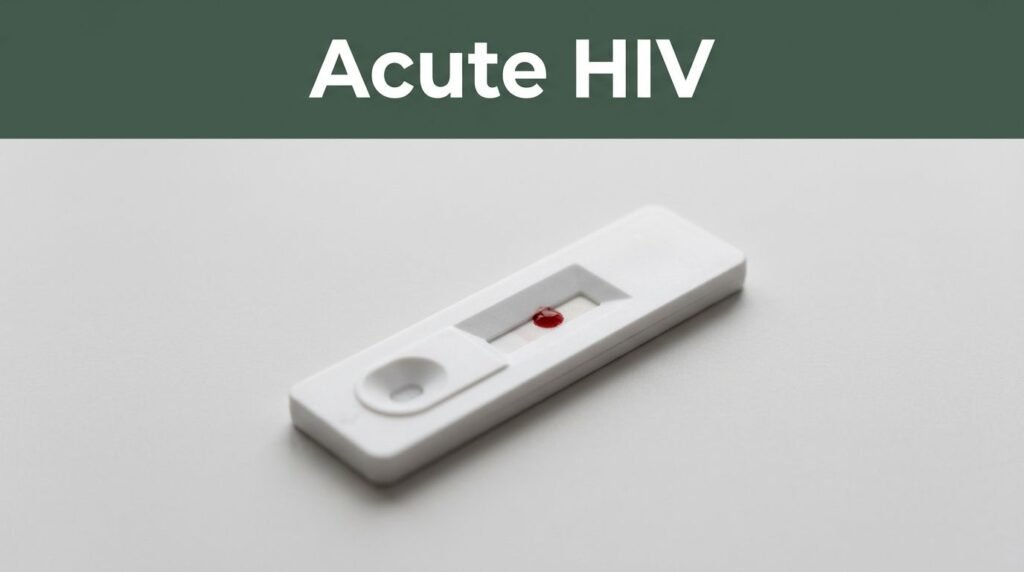
HIV tests detect either the virus itself, parts of the virus, or antibodies your body makes against HIV. Each test has a different window period, which refers to the time between potential exposure and when the test can reliably detect an infection.
The CDC’s HIV testing guidance lists these general detection windows:
| Test type | Typical detection window after exposure |
|---|---|
| Nucleic acid test (NAT) | 10 to 33 days |
| Lab antigen/antibody test, blood from a vein | 18 to 45 days |
| Rapid antigen/antibody test, finger prick | 18 to 90 days |
| Antibody-only test | 23 to 90 days |
A NAT looks for HIV genetic material. Clinicians may recommend it to identify an acute HIV infection when someone has symptoms and a recent exposure, especially if an initial screening test is negative.
Lab-based antigen/antibody tests are widely used and can find infection earlier than antibody-only tests. Home tests are useful and private, but many detect antibodies only, so they may need more time after exposure to provide an accurate result.
Testing too early can produce a negative result even when HIV is present. That result is not a failure of the test, but rather an indication that your body may not yet have enough detectable markers. Always follow the HIV testing schedule that a clinician, sexual health clinic, or test provider recommends.
If you test positive, confirmatory testing follows. HIV is manageable, and a positive result connects you with care, treatment, and support. You do not need to face that moment alone.
What to Do After a Possible Exposure
If the exposure happened within the last 72 hours, contact an emergency department, urgent care clinic, sexual health service, or HIV provider immediately. Ask about post-exposure prophylaxis (PEP).
PEP is a 28-day course of HIV medicines that can prevent HIV after a possible exposure. It must begin within 72 hours, and sooner is better. Don’t wait for symptoms or a test result before seeking advice. The CDC’s PEP information explains when this emergency treatment may be appropriate.
After 72 hours, PEP is no longer recommended, but getting medical advice and HIV testing remains essential. A clinician may test for HIV and other sexually transmitted infections, discuss hepatitis B vaccination, and set a follow-up testing plan.
For ongoing risk, ask about pre-exposure prophylaxis (PrEP). Taken as prescribed, PrEP greatly reduces the chance of acquiring HIV through sex or injection drug use. It does not treat an existing HIV infection, so testing is required before starting it.
Until you know your status, use condoms or other barriers, avoid sharing injection equipment, and consider pausing activities that could expose another person. These steps are about care and respect, not shame.
HIV Treatment, Long-Term Health, and U=U
An HIV diagnosis no longer carries the outlook it did decades ago. With modern antiretroviral therapy, medical professionals can lower the amount of virus in the blood to an undetectable level. People who start treatment early and stay in care can live long, healthy lives. Without consistent treatment, the virus can progress, but modern medical care is highly effective at preventing acquired immunodeficiency syndrome.
The World Health Organization describes HIV as a manageable chronic HIV infection when people have access to consistent treatment and care. Effective therapy works to maintain your CD4 T cells, which strengthens the immune system and prevents the development of serious opportunistic infections. Furthermore, treatment provides vital protection for your partners.
U=U means “undetectable equals untransmittable.” A person living with HIV who takes treatment and maintains an undetectable viral load does not sexually transmit HIV to others. This finding is supported by major clinical studies and public health guidance, including HIV.gov’s U=U information.
Stigma can often make people postpone testing or avoid seeking necessary care. Remember that your HIV status is simply a piece of health information, rather than a measure of your character, your relationships, or your personal worth.
Frequently Asked Questions
If I have a fever or a rash, does it mean I have HIV?
No, these symptoms are very common and can be caused by many different illnesses, such as the flu, COVID-19, or other infections. Because symptoms of acute HIV overlap with so many other conditions, you cannot diagnose HIV based on how you feel. A laboratory test is the only way to know your status for sure.
Can I get an accurate HIV test immediately after I think I was exposed?
No, every HIV test has a window period, which is the time required for the test to reliably detect the virus or antibodies after an exposure. Testing too early can lead to a false negative result because your body may not have produced enough markers for the test to identify. You should speak with a healthcare provider to determine the appropriate test type and timeline for your specific situation.
Is HIV curable, and what happens if I test positive?
HIV is not currently curable, but it is a highly manageable chronic condition with modern antiretroviral therapy. If you test positive, starting treatment early allows you to lower your viral load to an undetectable level, which protects your immune system and prevents you from sexually transmitting the virus to others. Many people living with HIV on consistent treatment lead long, healthy, and fulfilling lives.
What should I do if I think I was exposed to HIV within the last few days?
If your exposure occurred within the last 72 hours, you should seek medical attention immediately at an urgent care clinic or emergency department to discuss post-exposure prophylaxis (PEP). PEP is an emergency medication regimen that can prevent HIV infection if started as soon as possible, ideally within the first few hours after exposure.
A Test Gives You a Clearer Next Step
Early signs of HIV can be mild, absent, or easily confused with other common illnesses. Because these symptoms are not reliable indicators of infection, the most effective response after a possible exposure is timely testing and the consideration of post-exposure prophylaxis, also known as PEP, which should be initiated within 72 hours.
A negative test result at the appropriate time can provide significant relief. Conversely, a positive test result opens the door to effective treatment, essential medical support, and a healthy future. Knowing your HIV status is an act of care for yourself and others.How to Naturally Improve Your Family’s Immunity: Proven Gut Health Tips for 2025
Related Posts