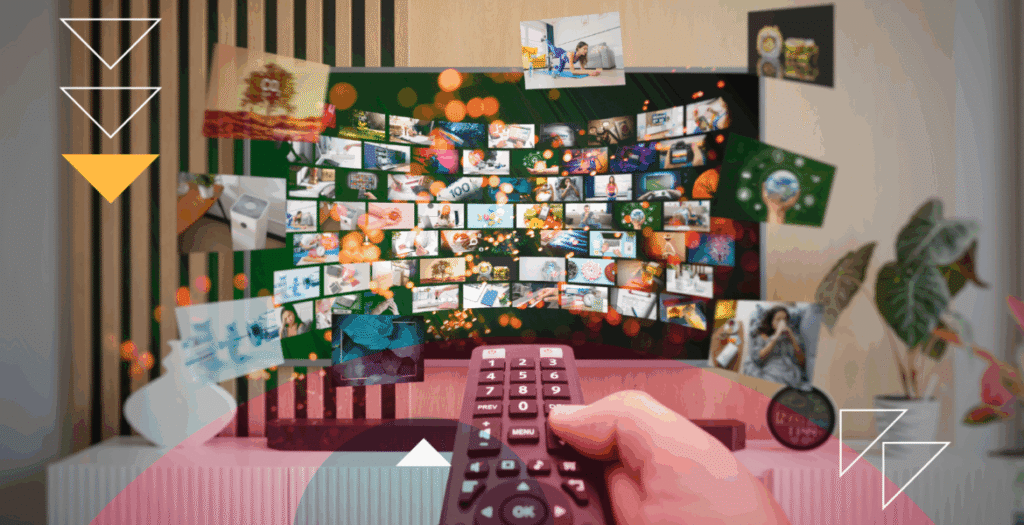


By 2026, most Americans will realize something unsettling: home no longer feels like a sanctuary. You’ll come home exhausted, not because work demanded more of you outside, but because your living space itself has silently drained your energy. The couch you once collapsed onto no longer signals rest; the bedroom that was meant for sleep now reminds you of unfinished tasks, digital alerts, and constant obligations.
If you feel like no amount of sleep or weekend downtime restores you, you’re not imagining it. The modern home has quietly become one of the biggest sources of low-grade stress, and unless you redesign it, exhaustion will follow you from room to room, day after day.
The good news? This is fixable. With intentional design, subtle environmental shifts, and daily habits aligned with true recovery, your home can once again become the sanctuary it was meant to be. In this guide, you’ll discover how to reclaim your living space in a way that restores your energy, sharpens your mind, and helps you face 2026 fully recharged.
If you’re ready to stop feeling drained the moment you step inside your own home, read on. By the end of this guide, you’ll have a practical, step-by-step plan to transform your living space into a recovery powerhouse without expensive renovations, without sacrificing your lifestyle, and without turning your home into a minimalist showroom.
Understanding Why Home Drains You
The first step toward recovery is understanding why your home no longer restores you. By 2026, homes will have absorbed every aspect of daily life. Living rooms double as gyms and studios; kitchens double as offices; bedrooms double as administrative spaces. Every corner of your home carries a subtle reminder of obligations or incomplete tasks.
This creates a constant state of low-level alertness in the nervous system. Even when you’re not actively “working,” your body interprets environmental cues as ongoing demands. The result is a persistent sense of fatigue, mental cloudiness, and an inability to fully relax even after sleep. The home itself has become part of the problem.
Recognizing this is the first breakthrough: the exhaustion isn’t you, it’s your environment. Once you accept that, you can take practical steps to reclaim your space.
Redesigning Your Home for Recovery
Reclaiming your home begins with intentional redesign, not just aesthetic improvements, but environmental cues that tell your nervous system it is safe to rest.
By 2026, the most effective recovery spaces will separate effort from ease. Work, fitness, and digital tasks must occupy clearly defined areas, while rest zones remain free from reminders of effort. This does not require extra rooms. Even a single corner, a chair, or a small table can serve as a dedicated effort zone. The key is consistency. When your brain associates certain areas exclusively with activity, the remaining areas automatically signal downtime, allowing your nervous system to relax.
Next, it is crucial to remove invisible stress cues. Laptops left open, unread mail, workout equipment in living areas, and devices with active notifications silently keep your mind alert. By clearing rest zones of these triggers, your environment begins to work for you rather than against you. Bedrooms, living rooms, or any corners designated for recovery should communicate calm, not responsibility.
Environmental signals extend beyond objects. Sensory cues—light, sound, texture, and visual stimuli directly impact how restorative a space feels. Warm, soft lighting, quiet corners, natural textures, and minimal visual clutter allow the brain to interpret the space as safe. Subtle adjustments like blackout curtains to signal sleep, low-saturation walls, or ambient natural sounds can make the difference between a home that restores and a home that depletes.
Finally, no home can fully restore without intentional behavioral habits. Recovery requires daily practices that teach your nervous system it is safe to rest. This might mean sitting quietly without screens in your designated rest area, pausing notifications during downtime, or establishing morning and evening rituals that reinforce separation between effort and ease. Over time, these practices retrain your body to respond to the home environment as restorative, rather than exhausting.
How This Solves the Problem in 2026
By implementing these strategies, Americans will begin to see measurable improvements in energy, focus, and emotional balance. Sleep will feel more restorative, stress will become easier to manage, and the home will finally fulfill its primary role: restoration.
Homes will stop silently draining energy and start actively supporting the body’s natural rhythms. In a 2026 world dominated by constant stimulation, this shift is not just helpful, it is essential. The home becomes a tool for recovery rather than a source of fatigue, allowing you to navigate the accelerating demands of life with clarity and calm.
The Takeaway
In 2026, life outside the home will not slow down. Technology will advance, expectations will rise, and digital noise will infiltrate every corner of life. Your home must counterbalance this intensity.
A home redesigned for recovery, with clear boundaries, calm environmental cues, and intentional rest habits, transforms your living space into a sanctuary. It gives your nervous system the signals it needs to relax, replenishes your mental and emotional reserves, and restores the energy modern life often steals away.
By approaching home design as a problem-solving, recovery-focused project, Americans can reclaim the one environment that has the power to restore them fully, the home itself.