


Student burnout is an increasingly pressing issue impacting academic performance, mental health, and overall student well-being across schools in the US and UK. Defined as a state of chronic stress and exhaustion related to academic demands, burnout affects a large share of students today, with studies showing that over 70% of adolescents report academic burnout symptoms source. Understanding the root causes of burnout and adopting proven strategies is crucial for educators and parents to help students thrive in 2025.
What Causes Student Burnout?
Several factors contribute to student burnout, including high academic pressure, large workloads, and an unsupportive school environment. Increased use of digital technologies has also accelerated burnout, as remote learning and excessive screen time can cause isolation and reduce engagement source. Furthermore, poor coping strategies and lack of social support worsen the problem, leading to feelings of cynicism and inefficacy among students.
Why Does Burnout Matter?
Burnout has direct negative effects on student achievement, motivation, and mental health. Research links high burnout levels to lower GPA, increased anxiety, depression, and in some cases, higher dropout rates source. Chronic stress from academic demands affects physical health as well, with many students reporting headaches, stomach issues, and difficulty sleeping due to stress source. Addressing burnout is essential not just for academic success but for nurturing resilient, healthy students.
Proven Strategies to Overcome Student Burnout
1. Create a Supportive School Environment

Studies show a positive school climate, including strong student-teacher relationships and a sense of belonging, reduces burnout significantly source. Schools can foster an inclusive environment that values student emotions, encourages participation, and promotes mutual respect.
2. Balance Academic Workload
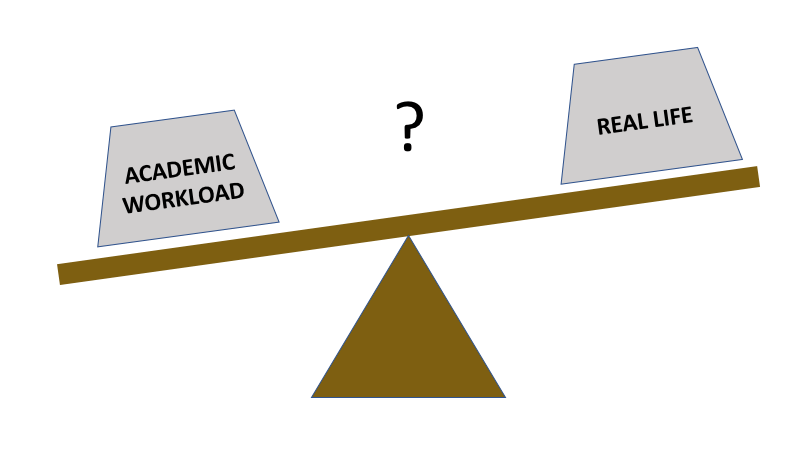
Evaluating and adjusting homework and class demands to avoid overwhelming students helps prevent exhaustion. Incorporating breaks and flexible deadlines can reduce stress and improve motivation.
3. Promote Healthy Digital Use
Encouraging mindful tech habits and blending digital learning with in-person interaction helps students avoid the negative effects of excessive screen time. Educators can teach healthy internet use and create engaging, interactive lessons.
4. Encourage Social Support
Family, peer, and teacher support form a vital protective barrier against burnout. Schools can organize mentoring programs, peer support groups, and parental involvement initiatives.
5. Teach Coping and Emotional Regulation Skills
Helping students develop resilience through problem-solving, mindfulness, and positive psychology techniques lowers burnout risks source. Emotional literacy programs equip students to recognize and manage stress effectively.
6. Integrate Mental Health Resources
Making counseling and mental health services accessible on campus ensures early intervention for burnout and related issues. Training staff to spot warning signs contributes to timely support.
The Role of Educators and Parents
Addressing student burnout requires collaboration among educators, parents, and the wider school community. Teachers should receive professional development on recognizing burnout symptoms and adapting their teaching practices. Parents can foster positive study habits and maintain open communication with schools to support their children’s wellbeing.
In 2025, combating student burnout is central to creating positive educational experiences that empower learners to succeed academically and emotionally. By prioritizing supportive environments, balanced workloads, social connection, and mental health, schools in the US and UK can lead the way in overcoming this widespread challenge.
Are you ready to make a real difference in your students’ lives? Discover proven strategies to overcome student burnout and create a thriving school environment in 2025. Dive deeper, share your experiences, and join our community of educators and parents committed to student success!








2 thoughts on “How Schools Can Overcome Student Burnout: Proven Strategies for Success in 2025”