

Burnout has become an all-too-common reality in modern American life, especially among busy families and professionals trying to juggle endless demands—from work pressures and parenting to managing a flood of digital distractions. Rather than pushing harder into exhaustion, a growing number of people are turning to a kinder, gentler approach: intentional rest rituals anchored in the rising “soft wellness” trend set to dominate 2026.
Soft wellness moves away from the intense hustle culture that has long defined productivity. Instead, it emphasizes mindful, purposeful pauses that support the nervous system, improve mental clarity, and foster emotional resilience. These intentional rest habits are practical, accessible, and based on a deeper understanding of how rest and not overwork is the true foundation of sustained wellbeing.
This guide explores why soft wellness rituals are gaining momentum and why intentional rest is critical in solving burnout today. It also provides clear, science-backed ritual ideas that families and individuals can incorporate right away to start reclaiming calm and energy.
Understanding Burnout Beyond Just Feeling Tired
Burnout is more than just fatigue. It is a state of chronic physical, emotional, and mental exhaustion caused by prolonged stress and overstimulation. Symptoms often include reduced performance, irritability, sleep disturbances, and even compromised immune function. In a country where nearly a third of adults report frequent burnout symptoms, its impact cuts across home, work, and social life.
Recent research points to the bombardment of technology and blurred boundaries between personal and work time as major contributors. Even during supposed downtime, constant notifications and “screen time” interfere with real relaxation.
Soft wellness responds with a foundational insight: rest should train the brain and body as a skill—one that helps people reset instead of merely recovering. This involves cultivating varied, intentional rest types that together rebuild resilience.
What Is Soft Wellness and Why Is It Different?
Soft wellness is a wellness philosophy that prioritizes gentle care over high-intensity interventions. Rather than pushing through exhaustion with willpower or quick fixes, it champions habits that restore balance in a sustainable way. It calls for small, habitual moments of mindfulness, sensory calm, and connection.
This trend arises from the rising body of knowledge around the nervous system’s role in stress and recovery. Techniques that activate the vagus nerve, the key player in calming the body’s stress response, are core. Soft wellness is winning hearts because it doesn’t require expensive retreats or endless hours—it fits the realities of busy life.
The Five Essential Types of Intentional Rest
Intentional rest is multidimensional. To truly counter burnout, attention must be given to these five rest types that nourish mind and body:
- Physical Rest: Both passive (sleep, naps) and active (gentle yoga, stretching) rest ease muscular tension and build energy.
- Emotional Rest: Being able to express feelings without judgment and offload stress heals emotional fatigue. Journaling or sharing with supportive people aids this.
- Social Rest: Spending time with encouraging, uplifting people or enjoying solitary moments to recover emotional reserves.
- Mental Rest: Taking intentional breaks from problem-solving, decision-making, and multitasking resets cognitive energy.
- Sensory Rest: Minimizing exposure to bright lights, loud noises, and screens reduces sensory overload and supports calmer nervous system function.
Together, these build a restful sanctuary in the midst of daily chaos.
Proven Scientific Benefits in 2025 and Beyond
Studies have shown intentional rest techniques can reduce cortisol (the stress hormone) by up to 30% in minutes through controlled breathing exercises. Maintaining phone curfews significantly boosts melatonin levels, improving deep restorative sleep. Journaling decreases anxiety and promotes emotional processing. Time spent in natural, low-stimulus environments lowers blood pressure and increases serotonin—the chemical of happiness.
These effects combine to reduce burnout risk, improve immune function, and heighten mental performance—essential as 2026 ushers in new stressors with changing work landscapes and digital overload.
Practical Ideas for Daily Intentional Rest Rituals
Adopting intentional rest does not mean stopping everything. Rather, integrating brief mindful practices throughout the day supports balance:
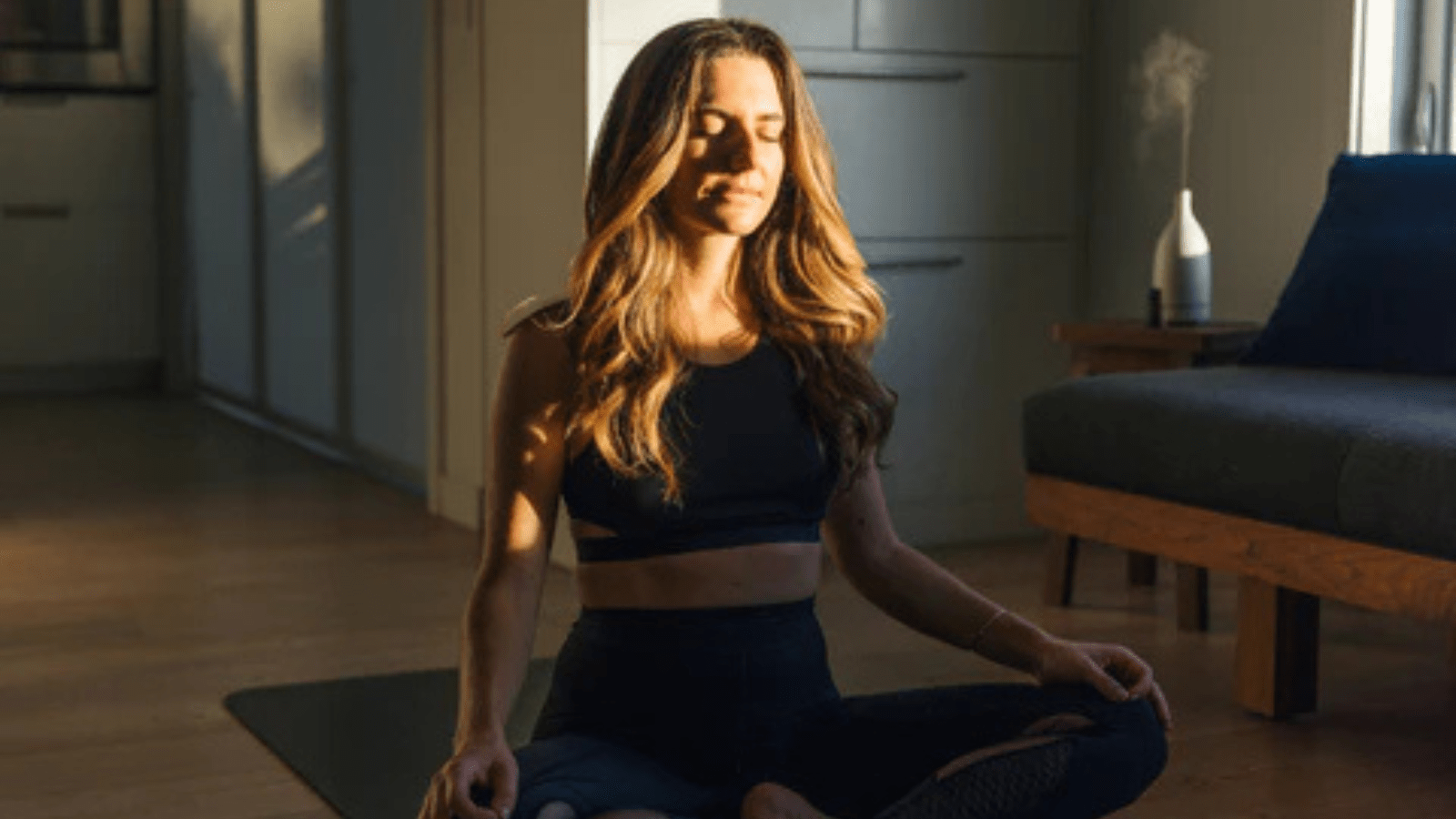
- Morning Breath Practice: Starting the day with 5 minutes of deep breathing engages the parasympathetic nervous system to set a calm tone.
- Evening Phone Curfew: Powering down devices an hour before bedtime enhances sleep quality and emotional decompression.
- Cozy Rest Corner: Creating a dedicated space with soft lighting, comfortable pillows, and calming scents invites quick restorative pauses.
- Midday Nature Break: A 10-15 minute walk outside away from screens reconnects with the natural rhythm and reduces cognitive fatigue.
- Family Wind-Down: Setting a device-free hour with shared activities like storytelling or quiet music helps low stimulation social rest.
Over time, these small rituals accumulate, protecting against chronic fatigue.
Customizing Rest Rituals for Families and Individuals
Different life stages and personalities require tweaks for maximum impact. Families might benefit from quiet zones or staggered rest times to accommodate work and school routines. Parents can model intentional rest by openly practicing self-care, teaching children mindfulness early.
For individuals, apps and wearable tech can track stress and suggest timely rest moments. Even simple reminders to pause and breathe serve as powerful triggers for nervous system resets.
Challenges and Practical Solutions
It’s easy to misinterpret intentional rest as laziness or to struggle finding time. The key is start small even two minutes can shift the nervous system. Encourage family agreements on rest norms and normalize breaks as productivity boosters, not time wasters.
If resistance arises, reframing rest as self-respect and fuel for joy often inspires better buy-in.
Looking Ahead: Soft Wellness As a Lifestyle Movement
Soft wellness is projected to shape 2026 wellness culture because it answers a fundamental human need: to feel peaceful amid chaos. Its blend of science and simplicity positions it as sustainable and appealing to all ages.
Companies may begin embedding rest promotion into employee benefits; schools might incorporate sensory breaks; urban planning could focus more on quiet public spaces—all signaling society-level shifts.
Conclusion
Intentional rest rituals rooted in soft wellness offer a smart, effective roadmap out of burnout for modern Americans. By weaving together physical, emotional, mental, social, and sensory rest, families and individuals can restore balance and build lasting wellbeing in 2026.
Power lies in small, consistent actions that turn moments of rest into essential lifestyle habits. This new era of self-care is here, ready to transform lives, one mindful breath at a time.