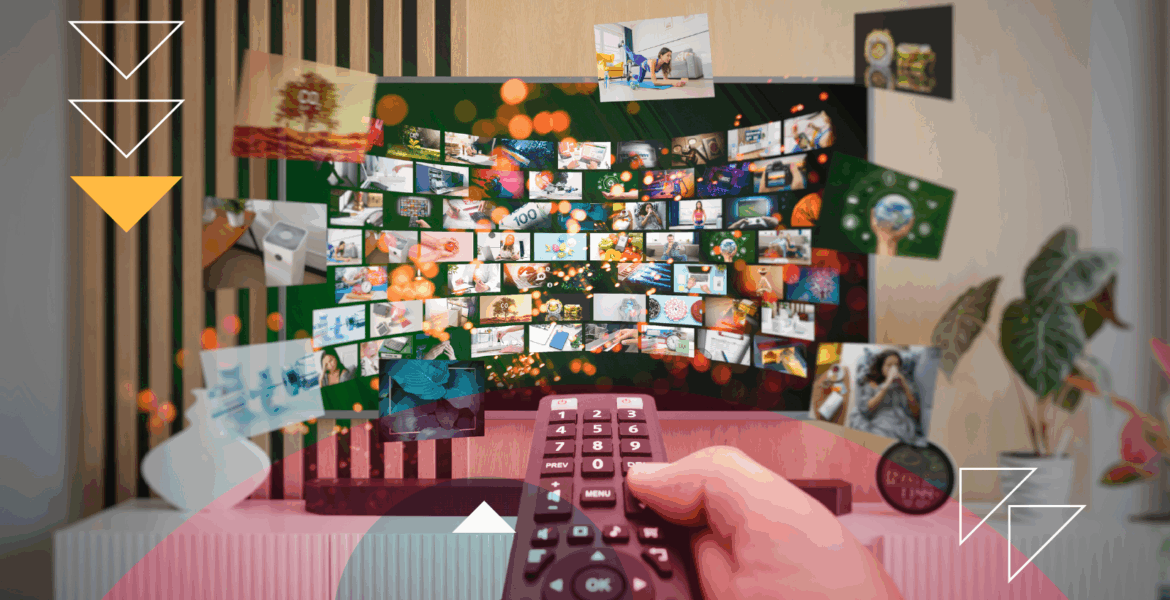

The streaming industry is at a crossroads. Over the past decade, streaming platforms have transformed how viewers consume entertainment. With the convenience of movies and shows on demand, accompanied by an explosion of new services, audiences initially rejoiced. However, as 2026 approaches, consumers face a new challenge: streaming saturation. The market is flooded with options—each fighting for attention and subscription dollars. This oversupply risks overwhelming audiences, causing subscription fatigue, and fragmenting viewership like never before. How can entertainment platforms solve this growing problem and win lasting loyalty? This blog delves into savvy, innovative approaches that are set to redefine streaming engagement in 2026 and beyond.
Understanding the Streaming Saturation Challenge
Streaming has revolutionized content delivery, democratizing choice and convenience. Yet, the boom in platforms—from giants like Netflix, Disney+, and HBO Max to niche services—has created a crowded space. According to recent industry reports, average American households now subscribe to five or more streaming services, juggling passwords, bills, and endless scrolling.
This abundance leads to:
- Subscription Fatigue: Rising costs and confusion push consumers to reconsider multiple service commitments.
- Content Overwhelm: With thousands of titles available, decision paralysis hits, reducing satisfaction and engagement.
- Viewer Fragmentation: Popular shows scatter audiences across platforms, limiting communal experiences and reducing platform loyalty.
For platforms, this saturation threatens revenue and challenges traditional success models based purely on subscriber numbers.
Innovative Solutions Streaming Platforms Are Exploring
To thrive in 2026’s dense streaming landscape, platforms must evolve beyond quantity and invest in quality user experiences and smart problem-solving strategies to recapture and sustain audience attention.
- AI-Driven Hyper-Personalization
Artificial intelligence is revolutionizing content delivery by analyzing viewer data—preferences, watch history, social trends—to curate bespoke recommendations. Unlike generic suggestions, AI-powered engines adapt in real time, anticipating moods or contexts.
For example, platforms aim to create personalized “watchlists” that evolve daily, reducing search time and offering variety tailored to individual tastes. This eliminates choice overload and makes viewing feel intuitive and satisfying.
- Interactive and Immersive Content Formats
Passive viewing is giving way to interactive storytelling. Platforms like Netflix have dipped into branching narratives where viewers influence story outcomes. This engagement tactic applies problem-solving elements, inviting audiences to become participants rather than observers.
In 2026, expect a surge in such immersive formats—including VR and AR content—designed to deepen viewer investment. These new experiences foster a unique connection, differentiating platforms struggling to stand out amid content noise.
- Platform Collaboration and Aggregation
Recognizing fragmentation impacts, some services cooperate rather than compete. Bundled subscriptions or aggregated interfaces enable seamless content discovery across multiple platforms without separate apps or fees.
Imagine a unified streaming hub where Netflix, Disney+, and others share content previews, recommendations, and billing. This collaboration reduces friction for users and creates stickier ecosystems, encouraging continued subscription.
- Community and Social Viewing Features
Rebuilding the shared cultural experience is key. Platforms invest in social tools like watch parties, integrated chats, and synchronized viewing schedules. These features combat isolation in streaming and revive watercooler conversations virtually.
By integrating social layers, entertainment becomes social glue once again, boosting loyalty and appetite for curated, community-driven content.
- Flexible Subscription Models
Price sensitivity grows in saturated markets. Platforms are experimenting with more adaptable pricing—micro-subscriptions, pay-per-view options, or ad-supported tiers that maintain quality offerings but reduce cost barriers.
This flexibility shines for younger, budget-conscious consumers, enabling incremental spending while platforms gather valuable user behavior to optimize offerings.
Why This Matters to Viewers and Industry Stakeholders
Consumers benefit when streaming players solve saturation challenges. Better personalization means less time wasted scrolling endlessly. Interactive shows increase enjoyment and emotional connection. Bundled content and social features reduce confusion and increase shared happiness. Flexible pricing makes entertainment accessible to all budgets.
For creators and industry stakeholders, these innovations ensure sustainable revenue models and reinvigorate storytelling. When platforms cultivate emotional investment and ease of use, they encourage longer subscriptions and reduce churn, critical for long-term growth.
Conclusion: The Future of Streaming Is Smart and Connected
As the streaming world grows more crowded, platforms that solve the saturation problem with innovation, empathy, and community will rise. 2026 promises a smarter, more personalized, and socially connected entertainment landscape. For viewers overwhelmed by choice, this means more joy, less hassle, and a stronger sense of belonging in the content they consume. For platforms, it’s about evolving beyond quantity to meaningful quality that secures loyalty for years to come.