
I love dreaming of sunny days and cool breezes. But planning a trip needs more than just a place. You must know when the weather is best.
Knowing when summer ends is key for a great vacation. Whether you want to relax by the sea or explore mountains, summer sets the pace. Let’s look at these changes so you can plan your trip perfectly.
Understanding the Astronomical and Meteorological Seasons
It’s interesting to know the difference between astronomical and meteorological seasons. Summer means different things to different people. These two ways help scientists and everyone else understand the seasons better.
Astronomical summer is when the Earth tilts towards the sun. It starts on the summer solstice, the longest day. But, because the Earth’s orbit is not perfect, the start date can change a bit each year.
Meteorological summer is when it’s June, July, and August. Meteorologists use this to keep weather records simple. It helps them compare weather patterns easily from year to year.
The astronomical method looks at the stars and planets. The meteorological method focuses on keeping things simple. Both ways help us understand the warmest months better. Knowing the difference helps me see why weather reports and calendars might not always match.
When Does Summer Officially Start and End in the United States
Many people wonder when summer officially starts and ends. It’s not just about school breaks or warm weather. The calendar follows the stars.
The summer solstice marks the start of summer. It happens on June 20th or 21st. This is the longest day of the year in the Northern Hemisphere.
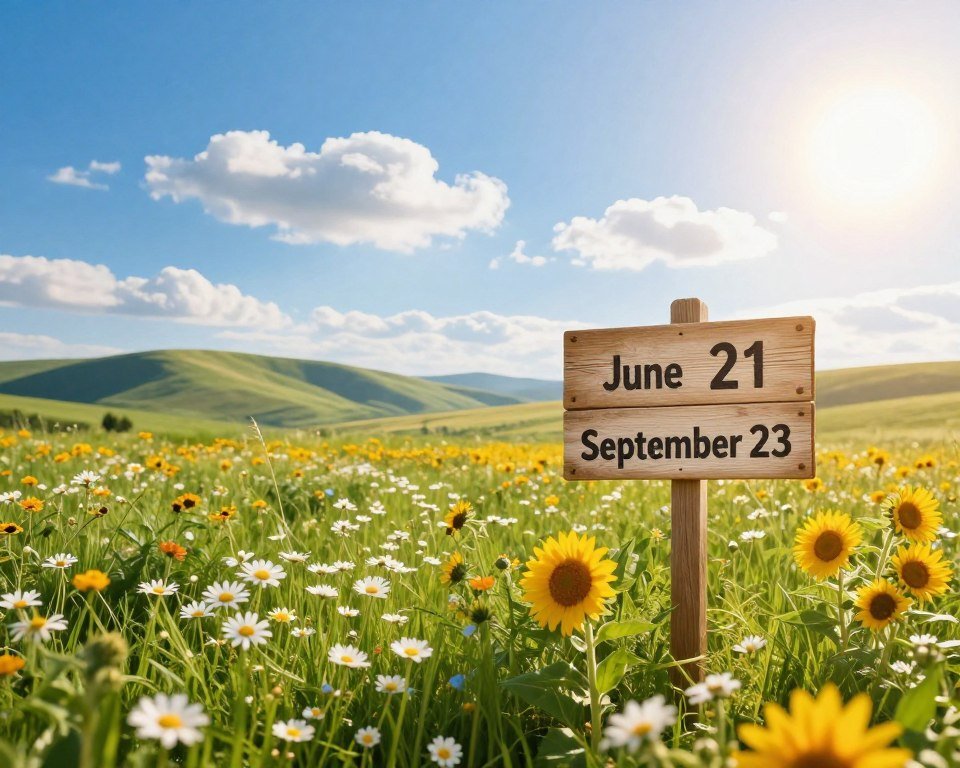
After the solstice, summer goes on until it ends. The autumnal equinox marks the end of summer. It usually happens on September 22nd or 23rd.
Here’s a list of important dates:
- Summer Solstice: June 20th or 21st (The official beginning of summer).
- Longest Day: June 20th or 21st (The peak of daylight hours).
- Autumnal Equinox: September 22nd or 23rd (The official end of summer).
- Seasonal Transition: Mid-to-late September (The shift toward autumn).
Knowing these dates helps me plan better. The solstice and equinox guide us through the seasons. They help everyone in the United States plan their activities.
How Long Summer Last in USA and Regional Variations
Want to know how long summer lasts in the USA? Look beyond the calendar. The real feel of summer changes a lot based on where you are. The land shapes the seasons more than any calendar.
In the south, summer feels like it never ends. High heat comes early, before June. It stays long, into October or November.
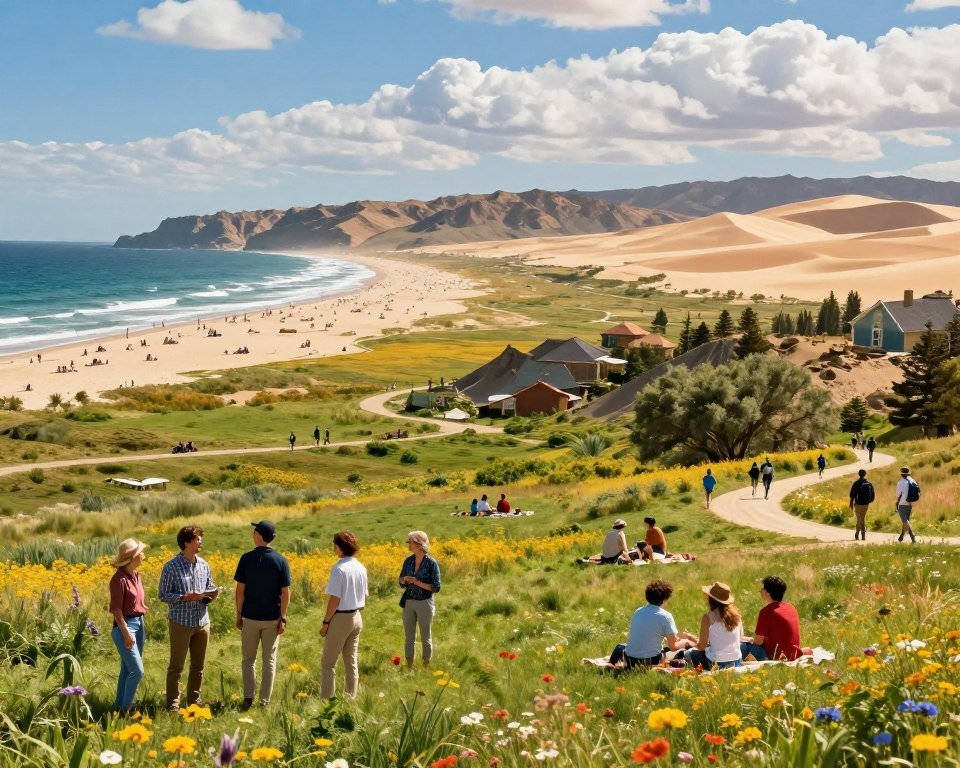
In the north, summer is very short. Places like Maine or North Dakota have a brief warm spell. It’s gone quickly, leaving little time for fun outside.
Knowing these differences is key. It helps when planning trips or picking out clothes. Every area has its own summer schedule, shaping local life.
Planning for Summer 2026 and Seasonal Trends
I’m already thinking about summer 2026. By looking at current weather, I can help you get ready for heat waves and weather changes. This helps you enjoy your summer plans more.
Seasonal patterns are getting harder to predict because of global weather changes. We can’t just count on old ways of knowing when it will be hot or rainy. Start planning early to avoid problems later.
When planning for summer 2026, be flexible. Watch the weather forecasts as they come out. Having a backup plan for outdoor fun keeps you comfy, even when it gets hot fast.
Knowing about local weather changes helps you plan your trips better. Whether you’re going to the beach or the mountains, being ready for summer 2026 makes your trip better. I want to help you deal with these changes well.
How Long Summer Break Typically Lasts for Students
For many parents, the school schedule is key for summer plans. When planning family vacations, I always check the school calendar first. Knowing how long summer break is helps plan trips and activities.
K-12 schools in the U.S. give students a break of about ten to eleven weeks. It starts in early June and ends by late August. But, each district has its own schedule, so dates can change.
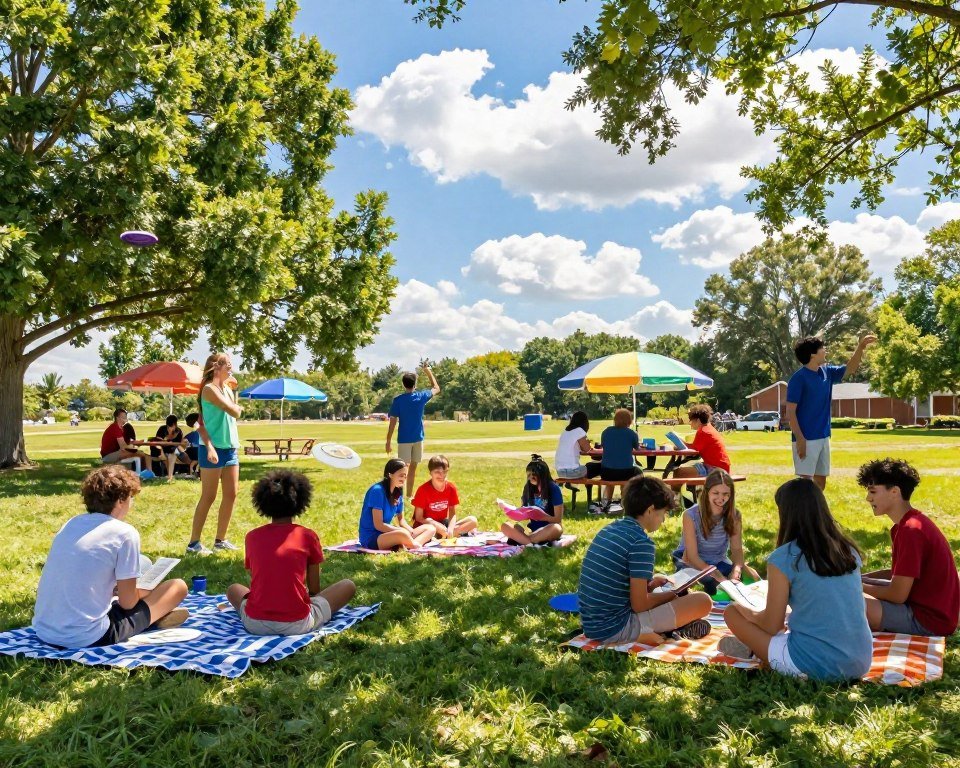
Looking ahead to 2026? You might wonder about summer break then. Always check your local district website for the latest info. This way, you can book your travel with confidence, knowing the exact dates.
What to Expect Regarding Weather and Climate Patterns
Traveling in the American summer means knowing the climate. The U.S. has many different weather conditions. You’ll see everything from humid air in the East to dry heat in the West.
Afternoons often bring a big change in the weather. Thunderstorms are common during the hottest time of the year. They offer a cool break from the sun, but might mess up your plans.
Here’s what you can expect by region:
- Northeast and Southeast: High humidity and lots of rain in the afternoons.
- Midwest: Warm days with sunny skies and sometimes hot, humid air.
- Southwest: Very dry and hot air that stays hot all day.
- Pacific Northwest: Cooler, milder weather that doesn’t get too hot.
Knowing these differences helps when you’re outside a lot. Check the weather forecast and plan your activities. This way, you can enjoy the summer no matter where you are.
Preparing for the Best Summer Experiences Across the Country
Choosing the right place for your summer is key. The U.S. has mountains and beaches. Pick a place that fits your mood.
Think about what makes you happy. Do you like cool forests or warm beaches? Knowing this helps plan your summer.
Plan your trip with fun activities in mind. Here are some ideas:
- Hiking in Glacier or Rocky Mountain national parks.
- Relaxing on Florida Keys or California beaches.
- Exploring cities with outdoor festivals and food.
- Camping in quiet places away from people.
I want to help you choose wisely. The U.S. has adventures and quiet spots. Good planning means a great summer.
Navigating Travel and Outdoor Activities During the Peak Heat
Planning your outdoor fun in summer is easier when you plan ahead. Traveling in the hot months needs a smart plan to stay cool and safe. Adjusting your day can help you enjoy the US without getting too hot.
It’s best to do hard outdoor activities early morning or late evening. This way, you miss the worst sun time. You’ll have a better time hiking or seeing sights during these cooler times.
Drinking lots of water and staying in the shade are key. Always carry water and find shade to avoid the sun. These small steps make a big difference in your summer trips.
Here are some tips for a safe and fun summer trip:
- Carry a reusable water bottle and refill it often.
- Wear light, breathable clothes that protect you from the sun.
- Do your most active sightseeing in the cooler hours.
- Take breaks in cool places or shaded areas.
- Use good sunscreen and reapply it often.
Follow these tips to stay comfortable while traveling. I think being prepared is key to enjoying summer. Listen to your body and enjoy the summer adventures.
Conclusion
Learning the rhythm of the seasons helps you plan the best trips. Knowing when summer starts and ends lets you enjoy every sunny day in the U.S.
You can now tell the difference between big weather changes and local weather patterns. This knowledge helps you pack the right clothes for places like the Grand Canyon or Florida beaches. Use this info to make memories with your loved ones.
I want you to be ready for any weather surprises. Whether flying with Delta Air Lines or driving through National Parks, timing is key. I hope you share your summer adventures and enjoy the country’s beauty.
FAQ
How can I know how long summer last in USA exactly?
Summer’s length varies. It’s about 93 days by the sun’s path. Or, it’s exactly three months by the weather definition.
What are the specific dates for summer 2026?
Summer 2026 starts on June 21, 2026. It ends on September 22, 2026. This marks the start of fall.
How long summer break typically lasts for K-12 students?
Summer break is usually 10 to 11 weeks. Schools close in early June and open in late August.
Can you tell me how long summer break in 2026 will be for most families?
Summer break in 2026 will likely be 10 to 11 weeks. It starts in early June and ends before Labor Day.
What is the difference between astronomical and meteorological summer?
Astronomical summer is based on Earth’s tilt and orbit. Meteorological summer groups the three warmest months together. This makes tracking weather trends easier.
Why does the length of summer feel different depending on where I live?
Summer feels different in different places. In the South, summer lasts from May to October. In the North, it’s much shorter.
How can I plan to have the best summer experience possible?
Plan early for the best summer. Check the weather where you’re going. Book early to avoid crowds.
What kind of weather patterns should I expect during the peak months?
Expect different weather in different places. The East has high humidity and thunderstorms. The West is drier and hotter. Always drink water and stay cool during the day.