
Summer vacation in 2026 looks a little different, and I am seeing more travelers stay closer to home, spend smarter, and choose trips that feel more personal. As summer 2026 travel shifts toward mindful exploration, higher prices, crowded hotspots, and packed schedules are pushing people to be more selective, even though summer travel remains a top priority.
That means the biggest wins this year come from picking the right destination, finding the best travel deals, and choosing plans that leave room for flexibility. In this post, I am looking at the places drawing attention, the money-saving moves that actually help, and the travel trends shaping summer vacation in 2026.
Key Takeaways
- Prioritize Domestic Travel: To simplify planning and control costs, more travelers are opting for domestic destinations, road trips, and short-haul travel to avoid the logistical stressors of international flights.
- Mindful Budgeting: With rising costs, successful planning hinges on setting a strict budget early, booking refundable fares, and prioritizing experiences over unnecessary luxury add-ons.
- Flexible & Slower Pacing: Travelers are increasingly favoring “slow travel” and flexible, purpose-driven itineraries that allow for relaxation rather than packed, exhausting schedules.
- Strategic Destination Selection: Whether choosing beach getaways, national parks, or “coolcations” to escape the heat, the best trips for 2026 are those matched to specific personal needs like comfort, nature, or cultural exploration.
Best places for a summer vacation in 2026
I am seeing the strongest summer travel interest split into a few clear buckets: beach escapes, wide-open outdoor trips, city breaks, and cooler destinations for beating the heat. These are currently among the top trending destinations for the year. That makes planning easier, because I can match the trip to the kind of summer I actually want, whether that means easy fun, big scenery, or a place that feels calmer than home.
The best picks for a summer vacation in 2026 are the ones that feel active without being exhausting. They also give me enough variety that I can build a trip around weather, budget, and pace instead of forcing one destination to do everything.
Beach getaways that still feel worth the trip
For a classic summer trip, I keep coming back to Florida and California because both states offer plenty of coastal choices without making the whole vacation feel repetitive. San Diego is especially easy to love in summer, with beach days, good food, and enough neighborhoods to keep me busy when I want a break from the sand. The Florida Keys feel slower and more relaxed, while Catalina Island gives me that island feel without needing a long flight. For those willing to travel slightly further for guaranteed sun, Caribbean destinations are another excellent choice to consider.
I also like that these spots work for different kinds of travelers. If I want simple sunshine and a lot to do, I lean toward San Diego or parts of coastal Florida. If I want something a little more laid-back, the Keys or Catalina are better fits.
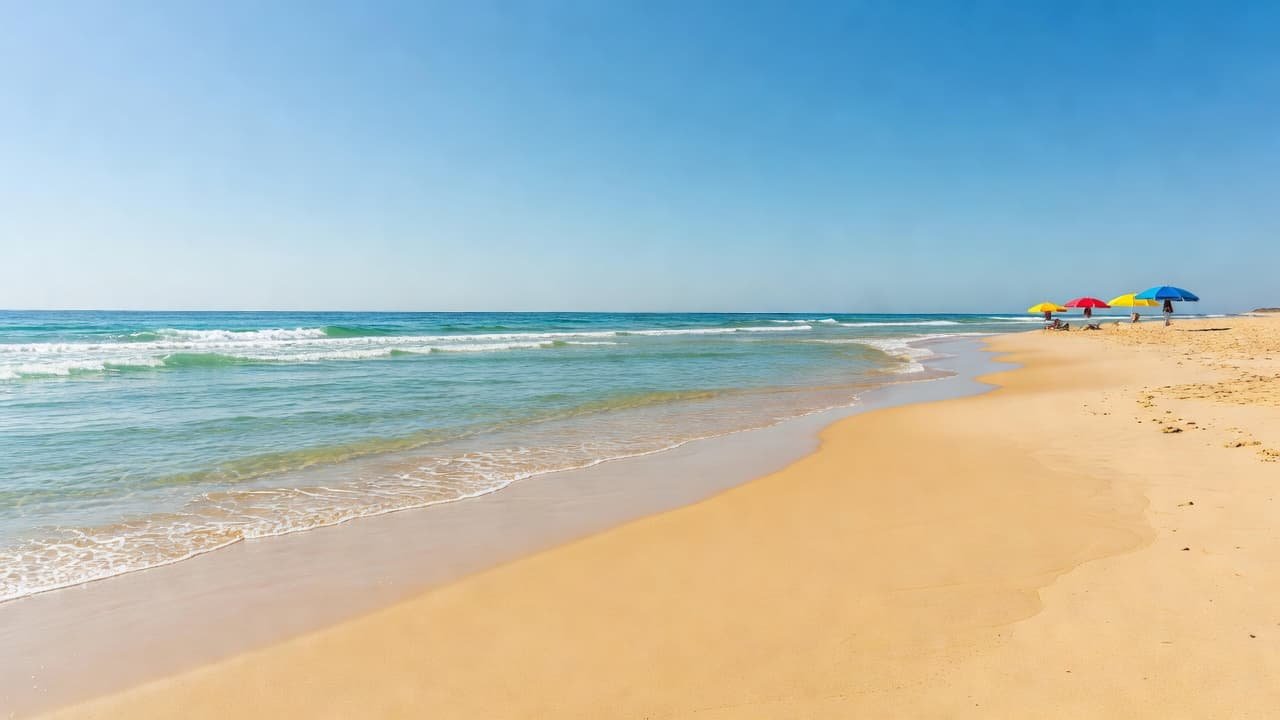
Other coastal destinations are getting attention too, especially places where I can mix beach time with dining, boardwalks, or scenic drives. That balance matters in a summer vacation in 2026, because I don’t just want a pretty shoreline, I want a trip that still feels worth the time and money.
National parks and outdoor escapes for people who want space
When I want room to breathe, I look at the big park trips. Yellowstone, the Grand Canyon, Glacier, New River Gorge, and Pictured Rocks all deliver the kind of scenery that makes me slow down and stay outside longer. These trips work because the setting does most of the heavy lifting. I can hike in the morning, boat or paddle in the afternoon, and still feel like I got a full vacation. Incorporating adventure travel into these visits is easy when there are so many outdoor activities available. For parks like Yellowstone, the wildlife adventures remain a primary draw for visitors looking to connect with nature.
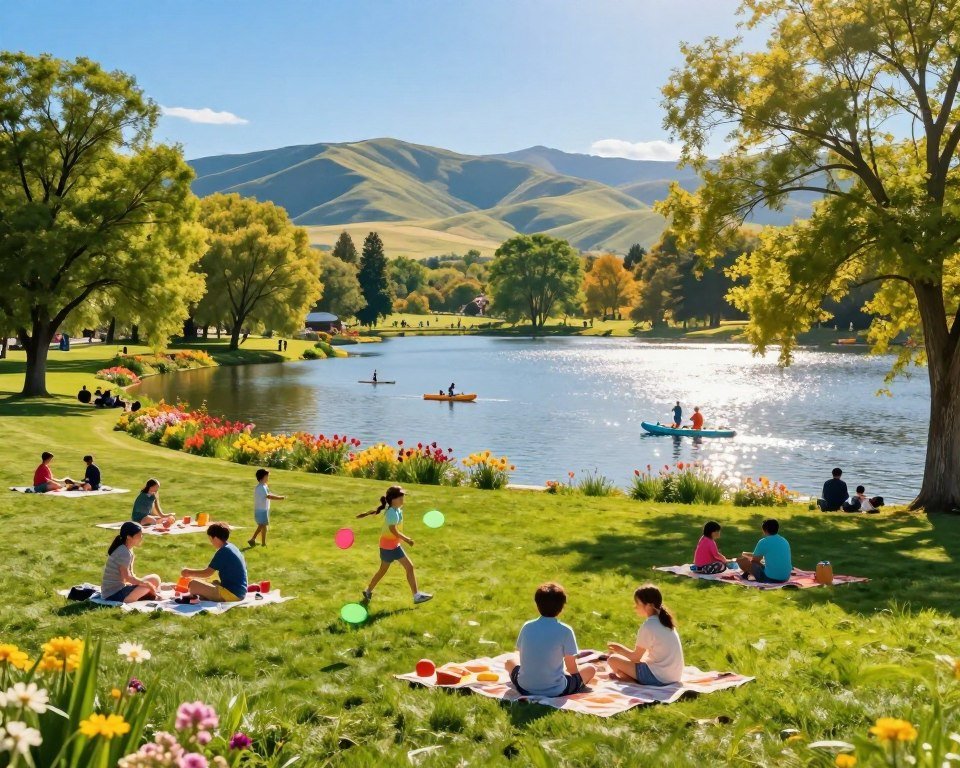
National parks also fit summer travel because they pull me away from packed cities and constant noise. The best days here are simple, and that is the point. A trail, a lake, a lookout, and a long stretch of open sky can feel better than a schedule packed with reservations.

For planning, I would pair the park with nearby gateway towns so I can restock, eat well, and avoid too much backtracking. If I want my summer vacation in 2026 to feel restorative, this is the category I would start with.
Cities that work well for a summer trip without feeling overdone
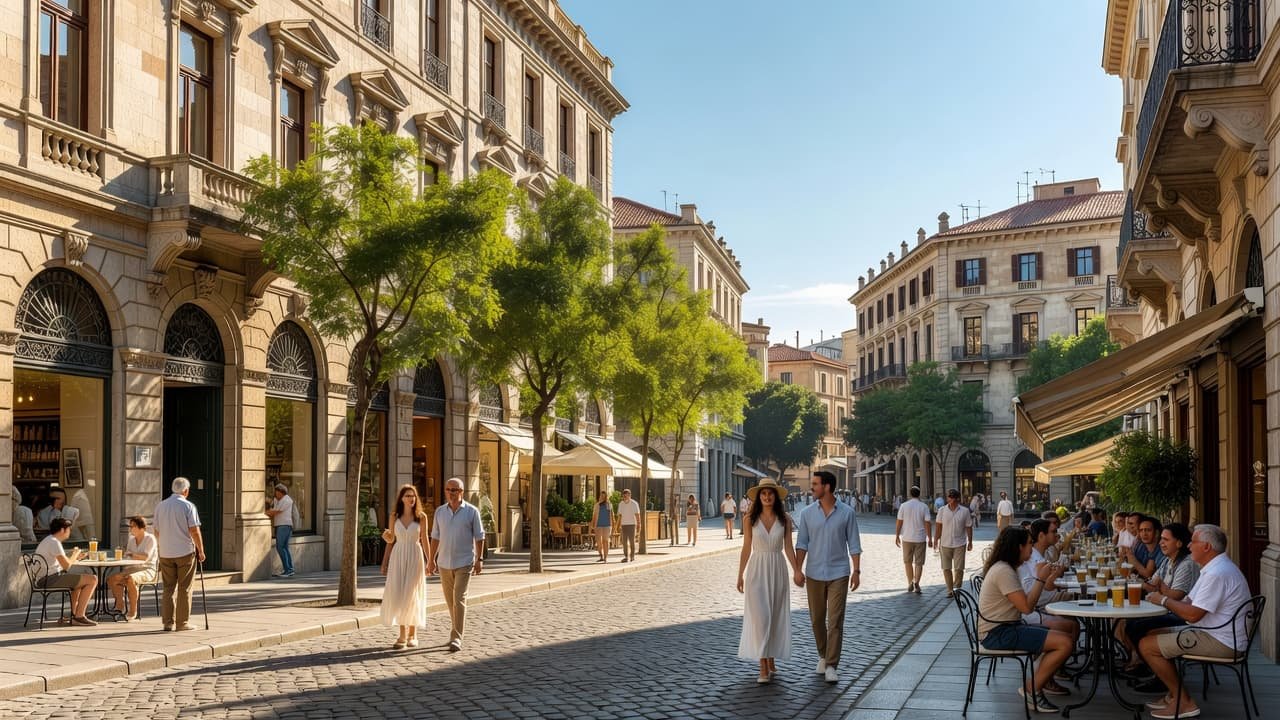
I like city trips when they give me a real reason to go beyond the usual tourist checklist. Boston works for history, walkability, and harbor views. Chicago gives me lakefront energy, great food, and enough museums to fill a long weekend. New Orleans is still one of the best places for music, food, and late-night personality, while Austin keeps drawing me in for barbecue, live music, and a casual outdoor scene. While domestic travel is popular, some travelers might prefer a European city escape to experience a different culture during the warmer months.
Some cities are better for big-event energy. New York City stays exciting because there is always something happening, and Las Vegas still makes sense if I want nightlife, shows, and a trip built around entertainment. Meanwhile, Pittsburgh and Charleston feel a little easier to enjoy at a slower pace, which is exactly why they stand out.
For a broader look at summer-friendly city ideas, I also like browsing destination lists by month and summer travel roundups when I am comparing options.
In practice, city trips are best when I choose one clear focus, like food, culture, nightlife, or events. That keeps the trip from feeling scattered and helps me get more out of the days I have.
### Cooler places for travelers trying to escape the heat
I am also seeing more interest in coolcations, and that makes sense. When summer heat gets intense, a cooler destination starts to look less like a luxury and more as a smart choice. Alaska, Ireland, and Scandinavia are drawing attention for that reason, especially for travelers who want fresh air, long daylight hours, and more comfortable sightseeing. For those looking for something truly unique, a safari in Kenya during the Great Migration offers a refreshing climate and a once-in-a-lifetime experience. I also enjoy scouting for hidden gems in remote mountain regions where the temperature remains mild all summer.
Within the U.S., Alaska is one of the strongest picks. It has the scale, the wildlife, and the kind of scenery that feels almost untouched. Mountain destinations also fit here, because higher elevations usually mean cooler mornings, easier hiking, and a nicer break from sticky July weather.

This style of trip is gaining appeal because I can spend more time outside without feeling drained by the heat. For a summer vacation in 2026, that matters. A cooler trip often means better energy, more comfortable days, and a pace that feels easier to enjoy all the way through.
What I’m seeing in summer vacation trends for 2026
What stands out most to me this year is how practical summer 2026 travel has become. I am seeing more people choose trips that are easier to plan, easier to budget for, and easier to enjoy without stretching themselves too far.
Domestic travel is still pulling hard, but the reasons go beyond convenience. Travelers want better value, less booking stress, and vacations that feel worth the money once they get home.
Why more Americans are choosing U.S. trips this year
I am seeing strong demand for U.S. trips because they feel simpler from the start. There is less to coordinate, fewer moving parts, and usually less risk when plans change. That matters when people are watching every dollar and every day off.
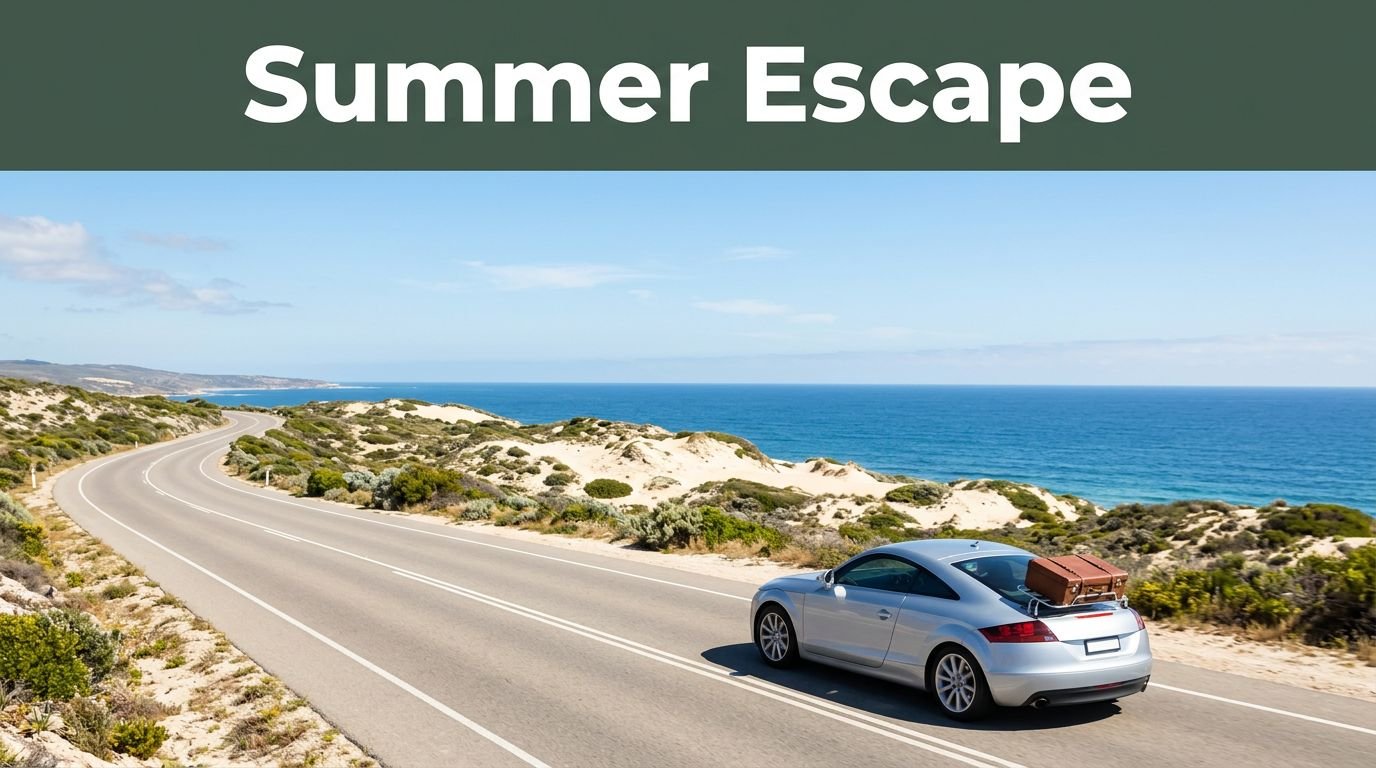
Road trips are still popular for the same reason, giving me more control over timing, stops, and total costs, especially when airfare keeps rising. Even for those planning luxury family vacations, there is a clear shift toward high-end domestic resorts that offer comfort and exclusivity without the logistical burden of international flights. Short-haul flights also stay attractive because they can turn a long weekend into a real break without a huge planning headache.
People want trips that feel worth the money, not vacations that create more stress than joy.
I also keep seeing travelers favor destinations they can book quickly and understand right away. That means less time comparing complicated itineraries and more time choosing places that fit real life. For a lot of families, couples, and friend groups, that is the appeal of a summer vacation in 2026.
The clearest domestic pull is simple:
- Easier planning with fewer flights and connections
- Shorter travel time, which protects the vacation days they already have
- Better cost control through driving, train trips, or shorter flights
- Lower stress, especially for families and multi-generational trips
For a broader view of where spending is headed, I also like the U.S. Travel Forecast, which points to domestic travel helping keep overall travel spending moving forward.
How price pressure is changing vacation choices
Price pressure is shaping almost every decision I am seeing in 2026. Higher airfare, hotel rates, fuel costs, and add-on fees during the peak season are pushing people to rethink how they book, where they stay, and how long they go away.
I am noticing more travelers choosing budget-friendly lodging over big-name properties. That does not mean they want a bad stay. It means they care more about location, cleanliness, and flexibility than extra perks they may not use. Additionally, many are turning to all-inclusive packages to lock in their total costs upfront, which helps them avoid the dreaded sticker shock once they reach their destination.
Flexible and refundable bookings matter more now too. People do not want to get trapped by a plan that looks good on paper but falls apart when prices shift or schedules change. In a year where costs can climb quickly, that peace of mind is part of the value.
A few habits are becoming more common:
- Planning more road trips instead of flying when the trip is close enough
- Booking refundable fares so plans can move without major losses
- Choosing lodging by price first, then filtering for the basics that matter
- Keeping trips shorter to stay within budget
That mindset makes sense to me. When the total cost climbs, travelers stop buying the fantasy version of the trip and start building one they can actually afford.
The experiences people want most right now
The places getting the most attention are the ones that offer more than a room and a view. Beaches still draw interest, but so do national parks, lakes, mountain towns, and slower-paced destinations where the trip feels like part of the experience.
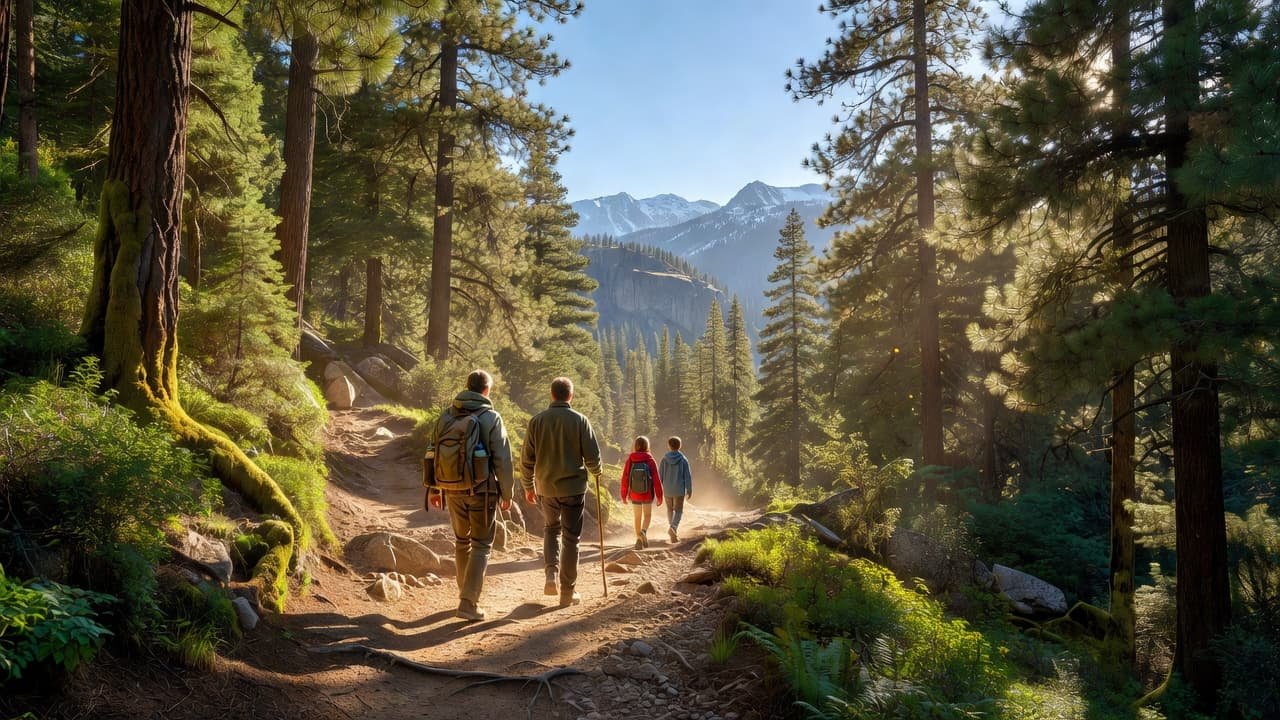
I am seeing more people want destinations that feel memorable on their own. That could mean a beach trip with boardwalk food and sunset walks, a park trip with hiking and wildlife, or a mountain stay where mornings are cool and quiet.
The common thread is pace. Travelers want fewer crowds, more breathing room, and a trip that feels like a reset instead of another packed calendar. That is why slower, nature-heavy vacations are getting so much attention this summer.
I am also seeing more interest in trips where the destination does the work. A lake cabin, a scenic trail town, or a coastal escape gives people a clear reason to go, and that makes the vacation feel more complete. In 2026, that kind of value matters just as much as price.
How I would plan a summer vacation in 2026 without overspending
I start with the budget, not the booking page. That keeps me from falling in love with a trip I cannot comfortably afford, and it forces every choice to earn its place. By setting a clear limit early, I am able to research the best travel deals for summer vacations with a level head. Once I know my ceiling, I can decide where to save, where to splurge, and where a small tradeoff makes the trip better.
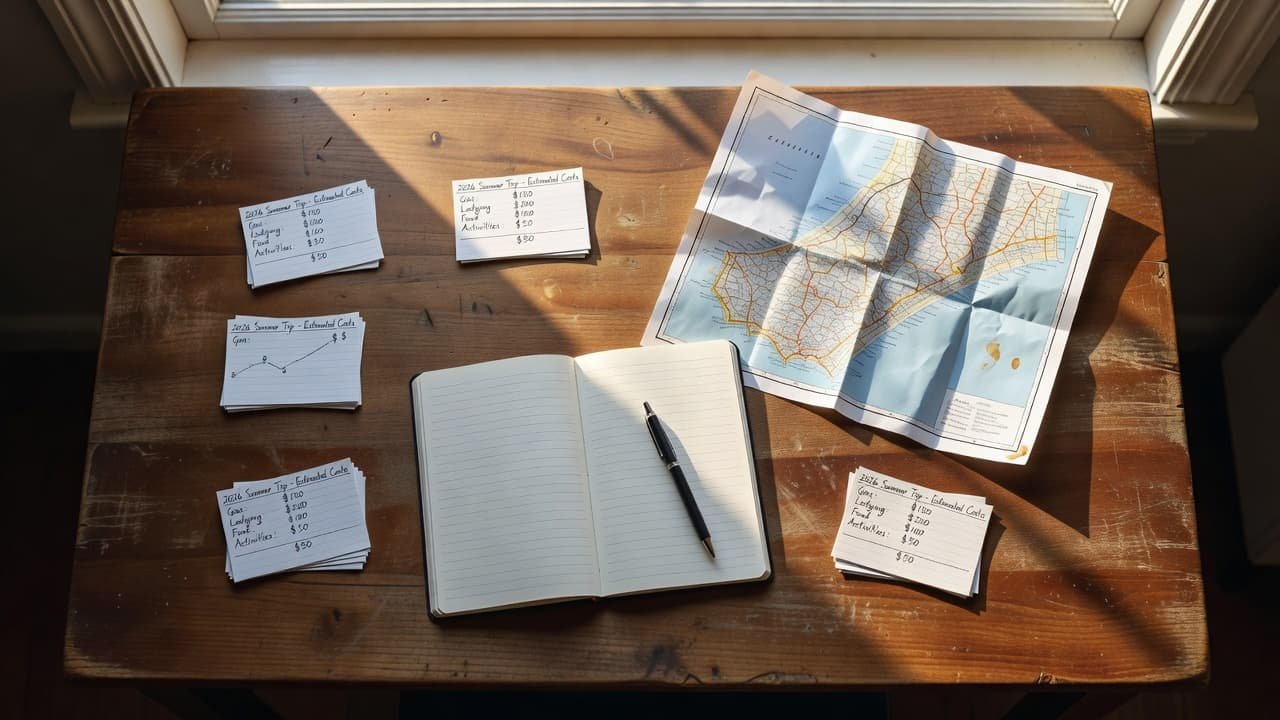
Whether you book independently or through an agency depends on your need for convenience versus cost control. An agency can simplify complex logistics and handle last-minute adjustments for you, which is helpful if you are planning a multi-generational trip or a trip with many moving parts. Conversely, booking independently often gives you more flexibility to hunt for specific travel deals, manage your own budget, and customize your itinerary to fit your personal pacing.
The smartest ways to save on flights and lodging
I always compare driving and flying first. If the trip is within a reasonable day or overnight drive, I can save a lot by skipping airfare, baggage fees, airport parking, and rental car costs. That approach also gives me more control over timing, which matters when summer schedules are packed.
When I do fly, I pick dates with care. Taking advantage of shoulder seasons, like late May or early September, often brings better prices and fewer crowds. For popular spots, I look for early bird discounts, as booking months ahead is one of the best travel deals for summer vacations. A last-minute bargain sounds nice, but a summer vacation in 2026 rewards planning more than hoping.
Lodging deserves the same discipline. I compare hotels, vacation rentals, and small inns, because the cheapest option on paper is not always the best value. I care more about location, parking, and cancellation terms than fancy extras I will barely use. For a practical comparison, I like checking NerdWallet’s summer travel report alongside hotel rates so I can see how other travelers are saving.
A simple way to stay on track is this:
- Set a total trip budget before searching.
- Compare drive versus fly costs.
- Check three stay dates, not just one.
- Book early to secure the best travel deals for summer vacations.
- Choose the room type that fits how I actually travel.
That process keeps me focused on value instead of flashy deals that eat up the budget later.
Why flexible bookings matter more now
I want room to change my mind without paying for it twice. That is why I pay close attention to refundable flights, flexible hotel rates, and booking policies that allow changes with less pain. In a year when travel plans can shift fast, flexibility is part of the price I am willing to pay.
I also look closely at travel insurance when the trip costs more than I can replace easily. It does not solve every problem, but it can soften the hit if weather, illness, or a schedule change gets in the way. I read the fine print before I buy, because the value only shows up when the coverage matches my trip.
I treat flexible booking like a seat belt. I hope I never need it, but I do not want to travel without it.
This matters even more for a summer vacation in 2026 because people are booking with more caution. If I am choosing between two similar options, I usually take the one that gives me a cleaner exit. That one decision can save me from losing money if prices drop or plans change.
Where to cut costs without ruining the trip
I save most easily on the parts of travel that do not define the experience. Meals are a good example. I mix a few restaurant meals with grocery runs, breakfast from a market, or picnic lunches, and I still feel like I am on vacation. If I am traveling with family, I look for resorts or hotels where kids stay and eat free to keep my daily costs manageable.
Activities work the same way. I like pairing one paid highlight with free or low-cost plans around it. A museum day, a boat tour, or a special dinner feels better when I balance it with beach time, hiking, public parks, free festivals, or self-guided neighborhood walks. The trip stays full, but the spending stays under control.
I also pick one splurge instead of scattering money across several small ones. That might mean a better room, a memorable dinner, or a bucket-list excursion. One strong splurge gives the vacation a peak moment, while random extras usually just drain the budget.
A few easy swaps make a real difference:
- Eat one main meal at the grocery store, then enjoy one meal out.
- Choose free attractions on travel days, when energy is lower anyway.
- Look for kid-friendly promotions where kids stay and eat free.
- Keep an eye out for travel deals for summer vacations on bundled activity sites.
- Keep souvenir spending tight, because small purchases add up fast.
I also like to check official destination pages before I go, because many cities post free events, park access, and seasonal passes. That helps me build a trip that feels rich without getting expensive. If I keep the focus on a few well-chosen experiences, my summer vacation in 2026 feels bigger, not smaller.
Summer travel trends that can make the trip feel more special
The summer trips that stand out in 2026 are the ones that feel personal. I am seeing more travelers build vacations around shared time, slower pacing, and experiences that fit the people they are with, not just the destination name on the booking confirmation.
That shift changes how I plan. I think about who is coming, how long I want to stay, and what kind of trip feels right for the season. A summer vacation in 2026 can feel bigger and more memorable without being more complicated, if I choose the right style of travel.
Why multi-generational trips are growing
I am seeing more families travel together across age groups, and it makes sense. Grandparents want more time with the kids, parents want easier ways to gather everyone in one place, and younger travelers often prefer shared experiences over another isolated getaway. A family trip now often means three generations under one roof, not just one age group on the same itinerary.
That changes where I stay. I look for private villas, rentals, or suite-style hotels with common space, more than one bathroom, and easy access for older travelers. When planning luxury family vacations, finding the right home base is key, as a place with a kitchen or a large dining area helps bring everyone together. Many travelers are now seeking out family-friendly destinations that offer enough variety to keep all ages engaged.
I also plan activities in layers. Everyone does not need to do everything together, and that is a relief. I like to mix one big group outing with smaller options, so kids, teens, and adults all get something they enjoy.
An easy family-friendly plan looks like this:
- One shared meal or sunset outing to keep everyone together
- One low-effort activity, like a boat ride, train ride, or museum visit
- One flexible block of free time so people can rest or split off

That balance matters because family travel can fall apart when I try to pack in too much. A good multi-generational trip feels like a well-run picnic, not a race to please everyone at once.
For readers who want more background on how families are traveling now, Skyscanner’s family travel trends offers a useful look at what is driving the shift.
How travelers are mixing work, fun, and longer stays
I am also seeing more people stretch a single trip into something bigger. Bleisure, which mixes business and leisure, is no longer a niche habit. It is one of the clearest ways people are making summer travel feel more rewarding, especially when they are already flying somewhere for work.
A lot of travelers are adding a few personal days to the front or back of a work trip. That gives me time to enjoy the destination instead of just seeing a hotel room and a meeting space. A quick work stop in Chicago or New York can turn into a real summer break if I stay an extra two nights and plan one or two things I actually want to do.
Hotel hopping is part of this trend too. I am seeing travelers stay in one hotel for the work portion, then move to a different neighborhood or a more budget-friendly property for the leisure part. That can make the trip feel more local, because I get to see more than one side of the destination.
A longer stay does not have to mean a bigger trip. It often means a better one.
I also like longer stays because they slow the trip down just enough. Instead of rushing from one attraction to the next, I can settle in, explore a neighborhood, and let the destination open up a little. For a summer vacation in 2026, that extra time often feels more valuable than adding another city to the map.
If I am building a bleisure trip, I keep it simple:
- Finish the work part first so I can relax after.
- Add one neighborhood or area to explore slowly.
- Book a second hotel only if it improves the experience.
- Leave at least one day with no plans at all.
The rise of slower, more personal vacations
I am drawn to trips that match my mood, not just a checklist of sights. That is why quiet escapes, book-themed beach days, and purpose-driven travel are getting more appealing. Through a bit of bespoke planning, I can ensure every part of the trip resonates with the specific experience I am looking for.
A slower trip can look like a cabin near the water, a beach town with early mornings and long walks, or a farm stay where I can breathe a little easier. I am also noticing more travelers choosing vacations inspired by a movie, a novel, or even a favorite playlist. That kind of trip feels more personal because it starts with a feeling, then builds around it.
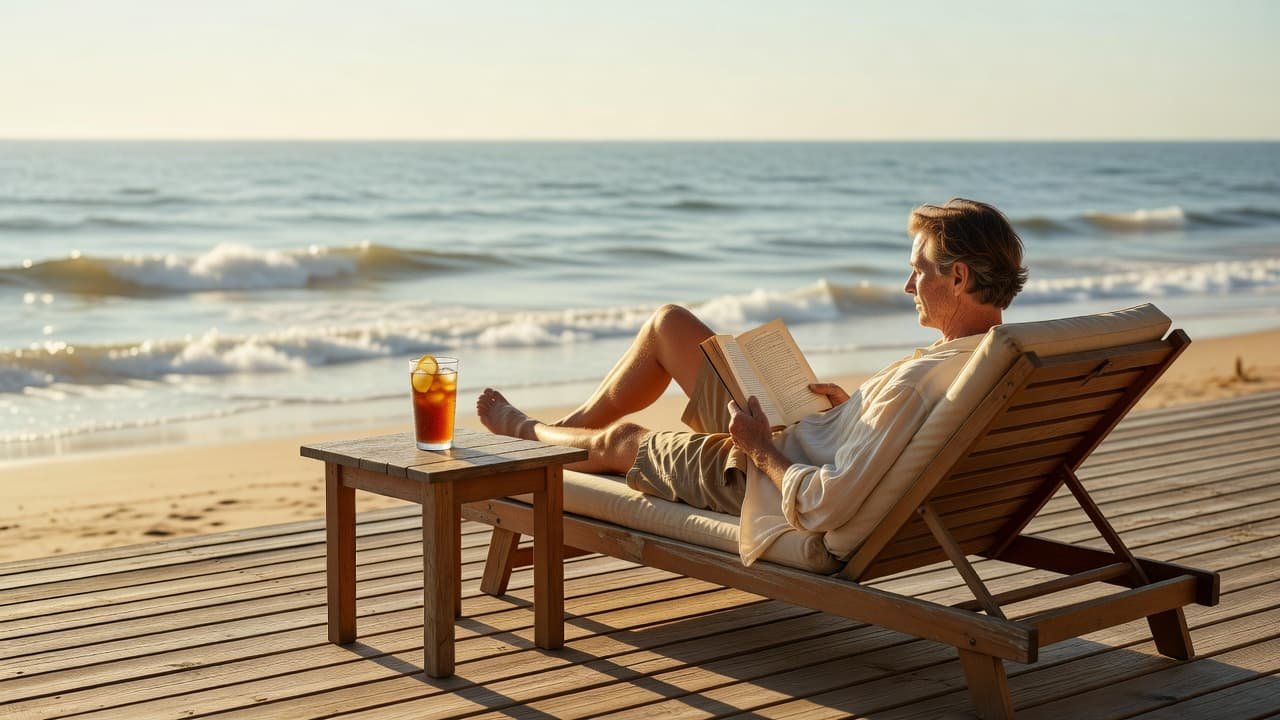
Travel with a purpose is part of the same shift. Sometimes I want a wellness retreat. Other times, I want a trip built around food, wildlife, volunteering, or a personal milestone. Either way, the point is the same; I want the trip to mean something while I am there.
That is what makes these summer travel trends so appealing. They give me permission to stop chasing the busiest places and start choosing trips that fit my life, my energy, and my budget.
What I would pack and prepare before leaving home
Before any summer trip, I want my bags, bookings, and backup plans in place. That keeps me from sweating small problems later, when the heat is up and the lines are long. A little prep at home makes the first day of the trip feel lighter, which is exactly what I want in the middle of a summer vacation in 2026.
What to pack for heat, crowds, and long days out
I pack for comfort first. Light clothing, breathable layers, and easy-to-wash fabrics help a lot when the weather turns sticky and I am moving around all day. Whether I am visiting coastal summer vacation spots or heading into the mountains for various outdoor activities, I make sure my gear is versatile.
I also keep a few basics close at hand:
- Sun protection, including sunscreen, sunglasses, and a hat
- Reusable water bottle so I can refill instead of buying drinks all day
- Comfortable walking shoes for airports, city streets, and trailheads
- Light jacket or wrap for over-air-conditioned buses, trains, and restaurants
- Small day bag for tickets, charger, snacks, and any essentials

I also check the weather forecast before I zip my suitcase. For a good packing baseline, I like the practical advice in Rick Steves’ packing list, especially when I am trying to keep things light and simple.
How to handle tickets, reservations, and timing
Popular summer trips fill up fast, so I book the big pieces early. That usually means hotels, rental cars, flights, and any attraction that uses timed entry or advance reservations. Booking ahead is the best way to avoid the stress of peak season crowds at popular landmarks.
I also double-check the calendar before I commit. Holiday weekends, local festivals, school breaks, and major events can push prices higher and make availability disappear fast. If I am traveling during a busy stretch, I want my plans locked in before everyone else starts searching.
I treat reservations like a safety net, because summer crowds can turn a flexible plan into a frustrating one fast.
For bigger trips, I save my confirmation numbers in more than one place and keep a quick list of check-in times, cancellation rules, and pickup details. That way, I am not hunting through email when I should be on the road.
Simple ways to avoid last-minute travel stress
I keep my trip info easy to reach. Before I leave, I download maps, save offline directions, and store confirmation emails in a folder I can find quickly on my phone.
Then I take care of the boring details that save me later:
- I review cancellation and change policies.
- I check baggage rules and car rental pickup times.
- I leave extra time for airport lines, traffic, and weather delays.
- I charge every device and pack a portable charger.
- I make sure someone at home has my itinerary.
I also build a little buffer into the schedule. Even an extra hour can turn a rushed travel day into a calm one, especially in summer when crowds and delays stack up. A few minutes of prep at home gives me more room to enjoy the trip once I am actually there.
Frequently Asked Questions
Why are domestic trips trending over international travel for summer 2026?
Domestic travel is gaining popularity because it simplifies the planning process, reduces the risk of long-distance travel disruptions, and allows for better cost control. By avoiding complex flight itineraries and international border logistics, families and solo travelers can focus on maximizing their vacation time.
How can I keep my summer vacation budget in check?
To manage costs, set a firm budget before you start searching and compare the expenses of driving versus flying. Prioritize refundable bookings for flexibility, mix affordable grocery store meals with dining out, and focus on one major “splurge” activity rather than many small, expensive ones.
What are “coolcations” and why are they becoming popular?
“Coolcations” refer to trips taken to cooler climates, such as Alaska or high-altitude mountain towns, to escape intense summer heat. These destinations are trending because they offer more comfortable outdoor experiences and a more relaxing pace during the peak summer months.
Should I book my summer 2026 vacation far in advance?
Yes, booking early is highly recommended for popular summer destinations, national parks, and peak event dates to secure better rates and availability. While last-minute deals exist, planning ahead acts as a safety net against rising prices and limited inventory in high-demand areas.
The best time for a summer vacation in 2026 generally falls within the shoulder seasons of late May or early September, when you can avoid the peak crowds and high prices of July and August. If you are tied to the height of summer, booking at least three to four months in advance is the best strategy to secure reasonable rates and availability.
Conclusion
A great summer vacation in 2026 starts with a clear choice. I get better trips when I pick one place that fits my budget, my pace, and the kind of break I actually want, instead of trying to do everything at once.
The strongest summer plans are the ones that leave room for flexibility and a little breathing space. When I book with purpose, watch the costs that matter, and choose a destination that feels right, the whole trip feels easier before I even leave home. By keeping an eye out for the best travel deals for summer vacations, I can ensure that my trip remains affordable without sacrificing the experience.
That is the real win this year, a trip that feels thoughtful, not crowded with extras. I am ready to plan the kind of summer that feels worth remembering.
Related Posts