

Finding fresh, tasty food quickly can be tough when I am traveling, working between meetings, or ordering at home. To get healthy foods near me in 2026, I use practical search methods that go beyond basic reviews to ensure every restaurant fits my specific nutritional standards.
For me, healthy food might mean a balanced meal, a high-protein dish, plant-based ingredients, locally sourced produce, a low-sodium option, or food that works with an allergy. This guide to healthy eating 2026 helps me find the best restaurants, markets, meal prep services, and fast-casual choices across the United States, complete with realistic price guidance and city-by-city suggestions.
I will start with the most reliable ways to find better options near me.
Key Takeaways
- Prioritize Ingredient Quality Over Buzzwords: Don’t rely solely on terms like “clean” or “natural.” Instead, scan menus for whole grains, lean proteins, and plenty of vegetables, while requesting sauces and dressings on the side to manage sodium and sugar intake.
- Use a Multi-Platform Verification Strategy: Never rely on a single app for information. Cross-reference menu details, hours, and prices across platforms like Google Maps, Yelp, and official restaurant websites to avoid outdated information.
- Master Customization for Better Nutrition: Most fast-casual spots allow you to build your own meals. Always look for ways to adjust your order, such as swapping white rice for extra vegetables, selecting grilled proteins over fried options, and choosing smaller portions.
- Diversify Your Sourcing: Relying on one source limits your options. Build a personal list that includes a mix of independent restaurants, local farmers markets, grocery store delis, and meal prep services to ensure you have a healthy choice available regardless of your schedule or budget.
What I Look for When I Search for Healthy Food Nearby
When I search for healthy food near me, I look beyond labels such as fresh, clean, or natural. My standard starts with a balanced menu, clear ingredients, and sensible portions. I also prioritize foods that support gut health, as I want meals that nourish my body rather than just filling it.
How I Judge Whether a Meal Is Healthy to Get Healthy Foods Near Me in 2026
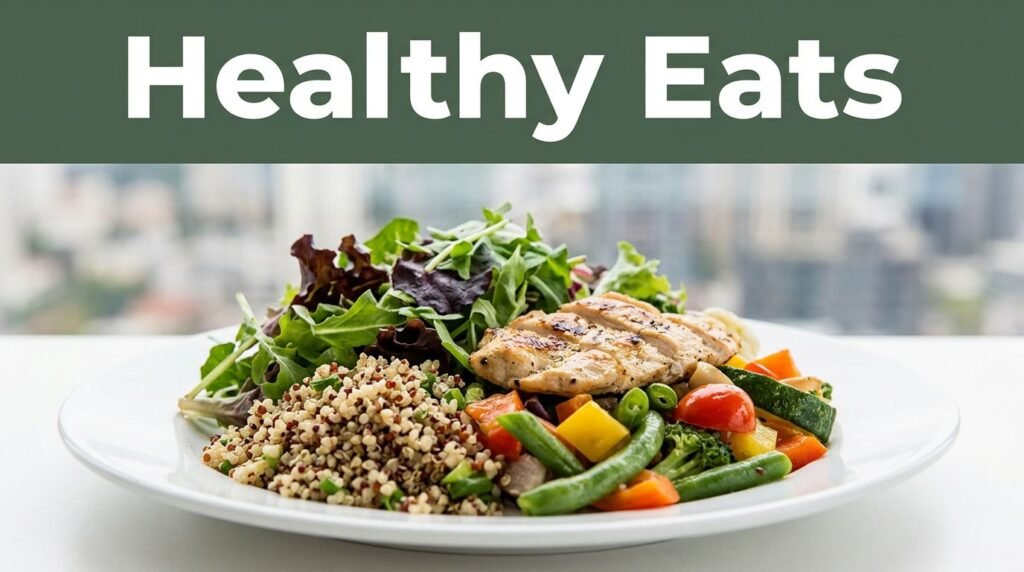
I first scan the menu for vegetables, whole grains, beans, fruit, lean protein, and healthy fats. A good meal might include roasted vegetables with whole grains and a lean protein source like grilled chicken, or a salad bowl with beans, avocado, and a clear protein. I also look for sauces and dressings on the side because they can add substantial sodium, sugar, or calories.
Portion size matters too. Even nutritious ingredients can create an oversized meal when restaurants combine large servings with heavy toppings. I prefer menus that offer half portions, side salads, bowls with adjustable ingredients, or simple substitutions.
My search terms change with my needs. I might type healthy restaurants near me, high-protein meals, vegan food, gluten-free options, vegetarian options, farmers markets, salad bowls, or healthy food delivery. These phrases help narrow the results before I spend time comparing menus.
Allergen information gets close attention. I check whether a restaurant identifies common allergens and explains cross-contact risks. If the menu leaves important details unclear, I contact the restaurant directly before ordering.
I treat menu labels as useful clues, not guarantees. Ingredients, nutrition claims, prices, and labels can change during 2026.
How I Compare Nearby Food Options
I use Google Maps, Apple Maps, and Yelp to find nearby restaurants, markets, and customer reviews. For delivery, I compare DoorDash, Uber Eats, and Grubhub with the restaurant’s own website. HappyCow helps me find vegan and vegetarian choices, while restaurant websites often provide the most complete menus.
Before I choose, I confirm current hours, ingredients, prices, availability, and nutrition information directly. Delivery apps can show outdated details, and a photo may not match the current portion or recipe.
I use this quick comparison checklist:
- Dine-in: I check portion options, ingredient substitutions, allergen details, and the ability of local restaurants to answer questions.
- Takeout: I look for packaging that keeps food fresh and meals that won’t become soggy during the trip home from local restaurants.
- Grocery prepared food: I read the nutrition label, serving size, ingredient list, and use-by date.
- Delivery: I compare total cost, delivery time, customization options, and whether the meal travels well.
This process helps me get healthy foods near me in 2026 without relying on a single app, menu claim, or attractive food photo.
Healthy Food Near Me by Region, State, and City
When I search for healthy food near me in 2026, I narrow the search by state and city before choosing a restaurant. Regional food habits, seasonal produce, seafood access, and local markets can change the best options from one place to another. By focusing on spots that prioritize fresh ingredients, I find that local restaurants often provide more consistent quality than larger corporate entities.
I use the examples below as starting points, not guarantees. Restaurants change menus, locations close, and hours shift, so I confirm that each business operates in 2026 before visiting. I also check the current menu for ingredients, allergens, portion sizes, and preparation methods.
Local independent restaurants and farmers markets may offer better regional choices than national chains. A neighborhood cafe, food hall vendor, or market stand can provide fresher and more flexible meals than a familiar chain near a highway.
Northeast: New England and New York
The Northeast is a strong region for farmers markets, seafood, Mediterranean food, and plant-based cuisine. I usually search by neighborhood because a city’s best healthy options may sit outside the main tourist district.
- Connecticut: In Hartford, I check Salute for Mediterranean-style dishes and local markets for seasonal produce. In New Haven, I also investigate vegetarian and farm-to-table restaurants around downtown and Yale University.
- Maine: Portland gives me excellent places to look for fresh seafood, grain-based meals, and local vegetables. I check Eventide Oyster Co. for seafood options, then compare nearby farmers markets for produce and prepared foods.
- Massachusetts: Boston has a wide range of salad shops, grain bowls, plant-based meals, and Mediterranean restaurants. I investigate Clover Food Lab for plant-forward fast-casual food and check the Boston Public Market for regional ingredients.
- New Hampshire: In Manchester, I search for independent cafes with salads, smoothies, and vegetarian sandwiches. In Portsmouth, I look for seafood restaurants that list grilled or simply prepared fish.
- Rhode Island: Providence is a useful city for plant-based restaurants, Mediterranean food, and small local markets. I check Plant City as an example of a plant-forward food hall, then confirm which vendors and menus are currently available.
- Vermont: Burlington is one of my first stops for local produce, vegetarian food, and natural-food markets. I investigate City Market for groceries and prepared foods, while nearby cafes often offer grain bowls and seasonal soups.
- New York: New York City gives me almost every healthy food category in one place, including vegan restaurants, salad counters, Japanese bowls, and Mediterranean cafes. I check Dig for customizable grain bowls and investigate neighborhood markets for less processed options.
Mid-Atlantic and Southeast
In the Mid-Atlantic and Southeast, I look for seafood, produce-driven Southern cooking, juice bars, and restaurants that offer lighter versions of regional dishes. I also check university districts, where menus often include vegetarian meals and affordable bowls.
- Delaware: Wilmington has independent cafes, salad restaurants, and prepared-food counters worth comparing. I search for grilled seafood, hummus plates, and vegetable-based soups near downtown.
- Maryland: Baltimore is a good place to investigate fresh seafood and Mediterranean food. I check MOM’s Organic Market for prepared foods and groceries, then compare restaurants that offer grilled fish instead of fried seafood.
- New Jersey: Jersey City and Newark have many Mediterranean, Indian, and plant-based choices. I look for lentil dishes, vegetable curries, falafel plates, and restaurants that let me adjust sauces and rice portions.
- Pennsylvania: Philadelphia has strong options for vegan meals, salads, grain bowls, and farmers market produce. I investigate Reading Terminal Market for local vendors, then review each stall’s current ingredients before ordering.
- Virginia: Richmond offers farm-to-table restaurants, vegetarian meals, and seasonal produce. In Virginia Beach, I look for fresh seafood prepared grilled, broiled, or steamed rather than fried.
- Washington, DC: I search across neighborhoods for Mediterranean bowls, vegetable-forward restaurants, and fast-casual meals with clear ingredients. Sweetgreen began in the Washington area and remains one option to compare, although I still review portions and dressing choices.
- West Virginia: Charleston and Morgantown have smaller restaurant scenes, so I search for local cafes, supermarkets with prepared foods, and restaurants near college campuses. A simple meal with beans, vegetables, and grilled chicken can be easier to find than a specialized health-food menu.
- North Carolina: Charlotte and Raleigh have many smoothie shops, salad restaurants, and Mediterranean cafes. In coastal cities such as Wilmington, I also check seafood menus for grilled fish and vegetable sides.
- South Carolina: Charleston is a useful city for seafood, farmers markets, and vegetable-based Southern dishes. I investigate Charleston Farmers Market for seasonal produce and prepared foods, then confirm market dates before visiting.
- Georgia: Atlanta has abundant choices for vegan food, Ethiopian meals, salads, and fresh juices. I search for restaurants that build meals around beans, greens, lentils, and whole grains instead of relying on fried sides.
- Florida: Miami offers Caribbean, Latin American, Mediterranean, and plant-based meals, while Tampa and Orlando have extensive fast-casual options. I look for ceviche, grilled seafood, bean bowls, fruit, and vegetable-based dishes, then verify sodium and sauce details.
Midwest and Great Lakes
The Midwest can offer excellent farmers markets, locally raised foods, vegetarian cafes, and balanced fast-casual meals. I often search for co-ops, which are great for finding organic products, and food halls because they combine several choices in one location.
- Illinois: Chicago has everything from vegan tasting menus to simple salad and grain-bowl counters. I investigate Foxtrot for prepared food where locations are available, and I compare independent Mediterranean restaurants for hummus, lentils, and grilled proteins.
- Indiana: Indianapolis has farmers markets, juice bars, and restaurants with vegetarian bowls. I search around downtown and Broad Ripple for salads, roasted vegetables, and lighter meals.
- Iowa: Des Moines is a good place to check for farmers market produce, local cafes, and grain-based meals. I investigate the Downtown Des Moines Farmers’ Market when it is in season.
- Kansas: In Wichita, I look for Mediterranean restaurants, smoothie shops, and grocery stores with fresh prepared meals. Kansas City, which sits partly in Missouri, also offers strong options for salads and plant-based bowls.
- Michigan: Detroit and Ann Arbor have vegan restaurants, farmers markets, and international food. I investigate Eastern Market in Detroit for produce and local vendors, then confirm seasonal hours.
- Minnesota: Minneapolis and St. Paul are especially useful for vegetarian food, co-ops, and grain bowls. I check Co-op Partners Warehouse resources and nearby food co-ops for prepared salads, soups, and fresh ingredients.
- Missouri: St. Louis offers Mediterranean food, vegan restaurants, and farmers markets. In Kansas City, I search for restaurants with vegetable sides, bean-based meals, and grilled proteins.
- Nebraska: Omaha has independent cafes, salad shops, and markets with prepared foods. I compare menus near downtown and Midtown, where restaurants often offer customizable bowls.
- North Dakota: Fargo is my first search area for smoothies, salads, and vegetarian meals. I also check local grocery stores for fresh produce, soups, and refrigerated grain salads.
- Ohio: Columbus has many plant-based restaurants, salad shops, and food halls. Cleveland and Cincinnati also offer farmers markets and Mediterranean options, so I search by neighborhood rather than state-wide chains.
- South Dakota: Sioux Falls has several health-focused cafes and restaurants with salads, smoothies, and grilled meals. I check local markets for produce during the growing season.
- Wisconsin: Madison is a strong choice for co-ops, farmers markets, vegetarian food, and grain bowls. I investigate the Dane County Farmers’ Market for seasonal produce, while Milwaukee offers more plant-based and Mediterranean restaurants.
South and Southwest
In the South and Southwest, I look for Mexican, Middle Eastern, Vietnamese, and regional produce-based meals. I find that smaller local restaurants consistently outperform large chains when it comes to utilizing regional herbs and fresh proteins. These cuisines make it easier to find beans, vegetables, lean proteins, and fresh salsas without ordering a large entree.
- Alabama: Birmingham has Mediterranean restaurants, farmers markets, and cafes with salads and grilled proteins. I search for vegetable plates and ask whether sauces come on the side.
- Arkansas: Little Rock offers local markets, smoothie shops, and restaurants with fresh salads. I also look for grilled catfish, beans, and vegetable sides.
- Kentucky: Louisville has farmers markets, plant-based restaurants, and Mediterranean food. I investigate Louisville Farmers Market options and check current schedules before planning a visit.
- Louisiana: New Orleans has seafood, Creole vegetables, Vietnamese food, and plant-based restaurants. I look for grilled Gulf seafood, red beans, greens, and rice portions that fit my needs.
- Mississippi: Jackson is a practical place to search for farmers market produce, soul food with vegetable sides, and lighter seafood meals. I call ahead when nutrition or allergy information matters.
- Oklahoma: Oklahoma City has salad shops, Mediterranean restaurants, and health-focused cafes. I search for hummus plates, grilled chicken, vegetables, and whole-grain substitutions.
- Tennessee: Nashville offers many fast-casual restaurants, juice bars, and plant-based choices. Memphis is a good place to compare seafood, vegetable sides, and local markets.
- Texas: Austin, Dallas, Houston, and San Antonio provide broad choices for tacos, vegan food, Mediterranean bowls, and fresh juices. I investigate Flower Child for customizable bowls, then compare local restaurants for fresher regional flavors.
- New Mexico: Albuquerque and Santa Fe make it easy to find beans, vegetables, chile, and whole-grain meals. I ask how much cheese, sour cream, and salt a dish contains before ordering.
- Arizona: Phoenix and Tucson have strong farmers markets, Mexican food, Mediterranean meals, and smoothie shops. I search for bowls with beans, vegetables, lean protein, and salsa instead of heavy creamy toppings.
- Nevada: Las Vegas offers nearly every cuisine, including plant-based restaurants and fresh seafood. I check restaurant websites before visiting because resort menus, prices, and hours can change quickly.
- Utah: Salt Lake City has farmers markets, vegetarian restaurants, and balanced fast-casual options. I search around downtown and Sugar House for grain bowls, salads, and Mediterranean plates.
West Coast and Mountain States
The West Coast and Mountain states offer strong access to produce, seafood, vegetarian food, and health-focused grocery stores. I still verify freshness and menu details because healthy branding does not guarantee a balanced meal.
- Alaska: Anchorage has fresh seafood, local markets, and cafes with soups and salads. I look for salmon, halibut, vegetables, and seasonal produce when available.
- California: Los Angeles, San Diego, San Francisco, and Sacramento have extensive choices for vegan meals, smoothies, grain bowls, seafood, and farmers markets. I investigate The Butcher’s Daughter as one plant-forward example, then compare independent neighborhood restaurants.
- Colorado: Denver and Boulder offer farmers markets, vegetarian restaurants, salads, and fast-casual bowls. I search for meals with beans, whole grains, roasted vegetables, and clearly listed protein portions.
- Hawaii: Honolulu is a strong place to find fresh seafood, poke, tropical fruit, and plant-based food. I choose poke with vegetables and moderate sauces, then confirm sourcing and preparation details.
- Idaho: Boise has farmers markets, cafes, and restaurants with salads and local produce. I check the Capital City Public Market during its operating season.
- Montana: Bozeman and Missoula have co-ops, farmers markets, and independent cafes. I look for grain bowls, soups, salads, and locally available produce.
- Oregon: Portland offers vegan restaurants, food carts, farmers markets, and creative grain bowls. I investigate Portland Farmers Market for seasonal produce and prepared foods.
- Washington: Seattle has abundant seafood, Asian-inspired bowls, plant-based meals, and farmers markets. I check Pike Place Market for produce and seafood vendors, then confirm each seller’s current hours.
- Wyoming: Cheyenne and Jackson have smaller food scenes, but I can still find salads, soups, grilled proteins, and grocery-store prepared meals. I search locally before assuming a national chain is my only option.
Wherever I travel, I use the city examples as leads, then confirm the current menu, location, hours, prices, and allergy practices. That extra check helps me find healthy food nearby without confusing a familiar name with a reliable meal.
The Best Places to Get Healthy Food, From Restaurants to Grocery Stores
I use different sources depending on my schedule, budget, and appetite. A fast-casual bowl works when I need control over ingredients, while a grocery deli often costs less than a restaurant meal. Farmers markets, meal prep companies, smoothie shops, and delivery services each solve a different problem.
Fast-Casual Restaurants Offer Flexible Meals
Fast-casual restaurants are my go-to choice when I want a filling meal without a long wait. As a primary source of healthy fast food, many locations let me build a bowl with vegetables, beans, grains, chicken, tofu, or fish, then control the dressing and toppings. I often choose a smaller grain portion, add extra vegetables, and request sauces on the side.
This format works well for lunch breaks and quick dinners because I can adjust the meal to fit my diet. However, I still check sodium, portion sizes, and topping costs. A bowl can become expensive and very salty after adding cheese, creamy sauces, and large protein portions.
Local restaurants can offer even fresher regional meals. I search for grilled seafood, vegetable-based entrees, Mediterranean plates, Vietnamese dishes, and Mexican meals with beans and fresh salsa. Independent restaurants may use seasonal ingredients, but their nutrition and allergen information can be less detailed.
Grocery Stores Stretch My Food Budget
Grocery stores give me the most control over cost and ingredients. I compare prepared foods at Whole Foods Market, Sprouts Farmers Market, Trader Joe’s, and Costco, although each location carries different products and prepared meals. Many stores now feature high quality organic products, and local food co-ops can also offer fresh salads, soups, grain bowls, and regional produce.
A grocery deli is useful when I need takeaway food for dinner immediately. I look for roasted chicken, steamed vegetables, bean salads, sushi, fruit, and simple soups. Before buying, I read the ingredient list, serving size, use-by date, and sodium content. Prepared food can save time, but large portions, added sugar, heavy dressings, and unclear ingredients can reduce its value.
Community farmers markets are excellent for seasonal produce and locally made foods. I enjoy buying ingredients for several meals, but markets usually have limited hours and may cost more for specialty products. They work best when I have time to cook.
Meal Prep and Smoothies Fit Busy Schedules
Professional meal prep services help me plan portions before hunger takes over. They are useful when I need several ready-to-eat lunches, higher-protein meals, or food that fits a specific calorie target. The drawbacks include subscription costs, packaging, limited delivery areas, and recipes that may contain more sodium than expected.
Specialty smoothies are convenient for breakfast or a snack. I check whether a drink includes whole fruit, vegetables, protein, or yogurt instead of relying on its name. Fruit juice, sweetened yogurt, honey, and syrups can quickly increase added sugar, while a drink may not keep me full without protein or fiber.
Delivery Helps on the Busiest Days
Healthy food delivery is the easiest way for me to get nutrition when work or travel leaves no time to shop in 2026. I compare the restaurant’s own ordering page with DoorDash, Uber Eats, and Grubhub because fees, menu prices, delivery times, and minimum orders can differ. Using healthy food delivery apps is convenient, but I always verify the ingredient list before confirming my order.
The convenience comes at a cost. Delivery fees, service charges, tips, and small-order fees can add significantly to the total. Food may also lose freshness during transit, and large portions can make it harder to judge how much I am eating. I choose meals that travel well, such as grain bowls, salads with dressing separate, and grilled entrees with vegetables.
What I Usually Pay for Healthy Food
Prices vary by city, restaurant, ingredients, and delivery method. I treat these figures as local estimates that can change:
| Meal type | Approximate price | What I usually get |
|---|---|---|
| Budget grocery or deli meal | $6 to $12 | Soup, prepared salad, rotisserie chicken, or a simple bowl |
| Mid-priced restaurant meal | $12 to $25 | Customizable bowl, entree salad, grilled protein, or Mediterranean plate |
| Premium meal prep order | $12 to $20 per serving | Pre-portioned entree with planned ingredients and delivery or pickup |
For the best balance, I often combine grocery-store meals during the week with local restaurants when I want variety. That approach keeps my budget practical while giving me fresh, satisfying options.
How I Order a Healthy Meal Without Sacrificing Flavor
I build my order around balance, then add flavor with herbs, spices, salsa, citrus, or a small amount of sauce. My usual plate includes about half vegetables, a palm-sized serving of protein, and fiber-rich foods like beans or whole grains. This approach helps me consistently find nutrient-dense meals at restaurants in 2026 without ever settling for bland food.
I Build the Meal Before Choosing the Extras
I start by choosing the main protein, such as grilled chicken, fish, tofu, pasture-raised eggs, grass-fed beef, beans, or lentils. Next, I add vegetables and select brown rice, quinoa, corn, or another whole-grain option when available. I ask for extra vegetables if the standard portion looks small.
A few simple requests make a major difference:
- I choose grilled, baked, roasted, or steamed food instead of fried preparation.
- I request dressing, cheese, sour cream, gravy, and creamy sauces on the side.
- I choose water, sparkling water, or an unsweetened drink instead of sweet tea or soda.
- I ask whether white rice can be replaced with brown rice, quinoa, beans, or vegetables.
- I request ingredient substitutions when a dish includes a food I avoid.
Flavor still matters. At a Mexican restaurant, I might order grilled chicken tacos with beans, fajita vegetables, and fresh salsa. A Mediterranean order could include grilled fish, hummus, tabbouleh, and extra vegetables. At an Asian restaurant, I look for steamed rice, tofu or chicken, vegetables, and sauce on the side. American menus often offer grilled salmon, a baked potato, and a vegetable side. For a healthy breakfast, I choose eggs with vegetables, whole-grain toast, and fruit instead of a pastry-heavy meal.
I Check Dietary Details Before Ordering
I read nutrition facts when the restaurant provides them, paying close attention to serving size, sodium, added sugar, protein, and saturated fat. Words such as natural, organic, keto, and plant-based don’t automatically mean a meal is balanced. A plant-based dish can still contain a large amount of refined starch, oil, or sodium.
For vegan, vegetarian, gluten-free, dairy-free, nut-free, low-sodium, or high-protein meals, I ask clear questions about ingredients and preparation to ensure the food is nutrient-rich and aligned with my high-protein goals. I might say, “Could you tell me whether this contains dairy or nuts, and whether you can prepare it without them?” Shared grills, fryers, cutting boards, and sauces can create cross-contact, so I ask staff about kitchen practices when an allergy is involved.
If the answer is unclear, I choose a simpler dish with fewer ingredients or contact the restaurant before ordering. Clear questions protect my needs while helping the staff prepare the meal correctly.
My Quick Checklist for Choosing the Right Healthy Food Near Me
When I need to get healthy foods near me in 2026, I use the same quick process every time. It keeps convenience, nutrition, dietary needs, and cost in view before I place an order.
My Five-Minute Food Check
- I check distance and hours. I confirm the location, current opening hours, pickup time, and delivery coverage before choosing a place.
- I read the full menu. I look beyond the homepage description and review ingredients, preparation methods, nutrition details, and customization options.
- I review recent photos and customer comments. Current photos can reveal portion sizes, while recent reviews may mention delays, freshness, or changed recipes.
- I confirm ingredients and allergens. I contact the restaurant when the menu leaves questions about dairy, gluten, nuts, shellfish, or cross-contact.
- I compare serving sizes and total cost. I include delivery fees, toppings, taxes, and tips. A low menu price can become expensive after checkout.
- I choose what fits my actual needs. My best option may be a grocery store salad, a high protein bowl, or a meal focused on fermented foods to support my gut health.
I also keep a repeatable local list with five reliable choices: one of my favorite affordable local restaurants, one fast option, one grocery store, one farmers market, and one meal prep service. That list saves time when I am hungry or busy.
I reassess those recommendations during 2026 because restaurants change ownership, menus, prices, hours, and delivery areas. A quick monthly check keeps my list useful and accurate.
Frequently Asked Questions
How can I verify that a restaurant’s healthy claims are accurate in 2026?
Because labels can change, treat menu claims as general clues rather than guarantees. Always contact the restaurant directly to ask about preparation methods, hidden ingredients, or cross-contact risks if you have specific dietary requirements.
Is it always more expensive to eat healthy when dining out?
Not necessarily, as you can balance your budget by mixing and matching sources. While premium restaurants or meal prep services may cost more, choosing grocery store prepared foods or simple, customizable fast-casual bowls can keep your average spending between $6 and $25 per meal.
What should I do if the online menu lacks nutritional information?
If a menu is unclear, look for dishes with the fewest processed ingredients, such as salads, grilled proteins, or steamed vegetables. When in doubt, call the restaurant to ask how the meal is prepared or request that your food be made without specific additions like heavy sauces or butter.
How do I ensure my delivery food stays healthy and fresh during transit?
Choose meals that travel well, such as grain bowls or salads with dressings packed separately. Avoid foods that might become soggy or lose their nutritional value, and always compare the total cost—including delivery fees and tips—on the restaurant’s own website versus third-party apps.
Conclusion
Finding healthy food near me in 2026 feels much easier when I search by my actual needs instead of relying on broad labels. I check the menu, review ingredients and portions, compare the full cost, and stay open to restaurants, farmers markets, meal prep services, and grocery stores. That approach gives me more choices and helps me avoid assuming that one type of food is always the healthiest. By focusing on healthy eating 2026, I have found that prioritizing nutrient-dense meals is the most sustainable way to maintain a balanced lifestyle without feeling restricted.
I can start with one nearby place, make one practical substitution, and save the options that work well for my budget and schedule. Over time, that personal list makes busy meals simpler without promising perfect nutrition every time. The best healthy food near me is food I can understand, afford, enjoy, and return to with confidence. It can be colorful, flavorful, affordable, and genuinely satisfying.