
A few stock price movements can add or erase tens of billions of dollars from a billionaire’s paper fortune in a single day. That is why any list of the richest men in the world should be read as a timestamp, not a permanent scoreboard.
The names near the top reveal where modern wealth sits, including artificial intelligence, cloud computing, luxury goods, retail, space technology, and decades of company ownership. These wealthiest individuals often see their net worths fluctuate significantly based on global market conditions. The figures below reflect a July 2026 market snapshot, modeled after the methodology used for the Forbes list, and will change as public markets and private company valuations move. All financial figures are represented in billion U.S. dollars.
Key Takeaways
- Elon Musk remains the world’s richest man, supported by his significant stakes in Tesla, SpaceX, and xAI.
- Oracle’s strong market performance continues to keep Larry Ellison among the very wealthiest business leaders.
- Big Tech titans like Meta, Amazon, and Alphabet, along with Nvidia, LVMH, Microsoft, and Berkshire Hathaway, account for the vast majority of fortunes found in the top 10.
- Bill Gates remains a historical staple of the world’s billionaires list, even as the top rankings continue to evolve with shifting market trends.
- Publicly traded shares drive many of these estimates, meaning individual rankings can shift significantly within a matter of hours.
- Forbes and Bloomberg often report slightly different figures because they utilize distinct valuation methods and update schedules for their calculations of total wealth.
How the July 2026 wealth rankings were measured
The ranking below uses figures captured from Forbes Real-Time Billionaires at 12:00 p.m. UTC on July 15, 2026. All estimates are expressed in US dollars and include publicly disclosed shareholdings, private-company stakes, cash, real estate, art, and other known assets, less estimated debt.
Forbes updates public-market holdings and stock prices throughout trading days to maintain accuracy. Private assets are more difficult to price precisely. SpaceX, for example, does not trade on a public exchange, so its valuation relies on recent private transactions and reported secondary-market activity. That makes Elon Musk’s total net worth less precise than the wealth of someone whose holdings are almost entirely public stock.
The Bloomberg Billionaires Index also tracks daily fortunes. Its totals may differ from the Forbes list because Bloomberg can value assets, debt, tax obligations, and restricted shares differently. A difference between the two sources does not mean one is wrong; it shows how difficult it is to place a single exact price on a vast and changing portfolio compared to a static annual ranking.
Net worth is an estimate of asset value, not cash sitting in a bank account.
Most people on this list could not sell their core holdings overnight without moving the share price. Their fortunes are closely tied to the companies they built, inherited, or expanded over many years.
The 10 richest men in the world in July 2026
Here is the July 15, 2026 snapshot, with net worth rounded to the nearest $100 million.
| Rank | Name | Estimated Net Worth | Main Sources of Wealth |
|---|---|---|---|
| 1 | Elon Musk | $406.5 billion | Tesla, SpaceX, xAI |
| 2 | Larry Ellison | $277.4 billion | Oracle |
| 3 | Mark Zuckerberg | $265.0 billion | Meta Platforms |
| 4 | Jeff Bezos | $247.8 billion | Amazon |
| 5 | Larry Page | $241.2 billion | Alphabet |
| 6 | Sergey Brin | $225.3 billion | Alphabet |
| 7 | Bernard Arnault | $189.4 billion | LVMH |
| 8 | Jensen Huang | $176.3 billion | Nvidia |
| 9 | Steve Ballmer | $154.7 billion | Microsoft |
| 10 | Warren Buffett | $151.5 billion | Berkshire Hathaway |
The list is heavily dominated by Big Tech founders and investors. Bernard Arnault is the major exception, with his wealth rooted in luxury brands rather than software, chips, retail, or internet platforms.
1. Elon Musk, Tesla and SpaceX
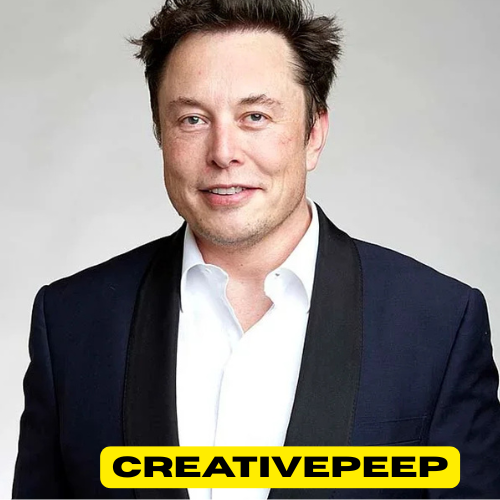
Elon Musk holds the top position by a wide margin. His primary source of wealth rests on large stakes in Tesla and privately held SpaceX, plus interests connected to xAI and other ventures. Tesla’s share price remains a major daily influence on his ranking, while SpaceX offers stability due to its private valuation growth.
2. Larry Ellison, Oracle’s long-term winner
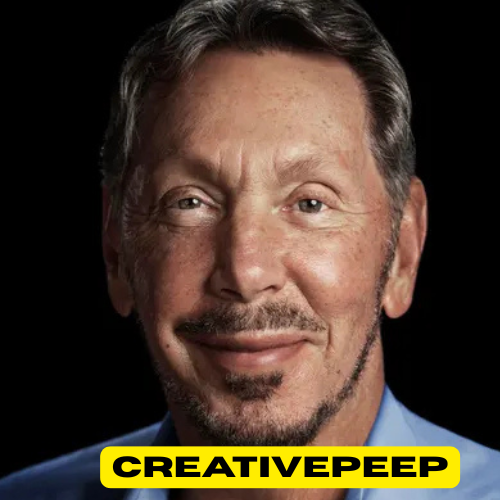
Larry Ellison co-founded Oracle in 1977 and still owns a large stake in the enterprise software company. Oracle’s cloud infrastructure business and its role in supplying capacity for artificial intelligence workloads have pushed his wealth higher. Unlike founders who built consumer apps, Ellison’s fortune comes from database technology and long-term corporate contracts.

3. Mark Zuckerberg, Meta’s controlling shareholder
Mark Zuckerberg controls Meta through a dual-class share structure. That control gives him substantial voting power even though he does not own most of the company’s total shares. Because his fortune is concentrated in Meta, the company’s quarterly earnings reports have an immediate effect on his net worth.
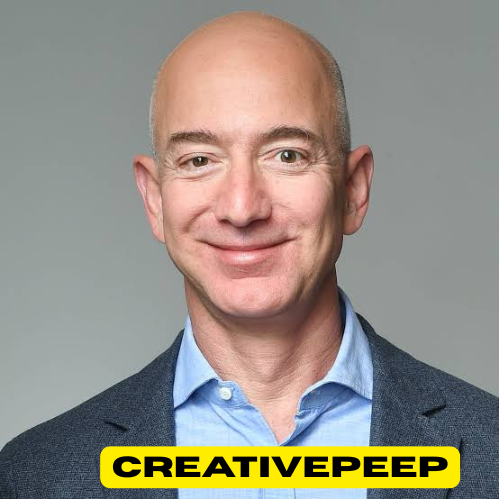
4. Jeff Bezos, Amazon’s founder
Jeff Bezos stepped down as Amazon’s chief executive in 2021, but he remains one of its largest shareholders. Amazon’s online retail operation is widely known, while Amazon Web Services has become one of the company’s biggest profit engines. His remaining stake in Amazon drives nearly all changes in his personal fortune.
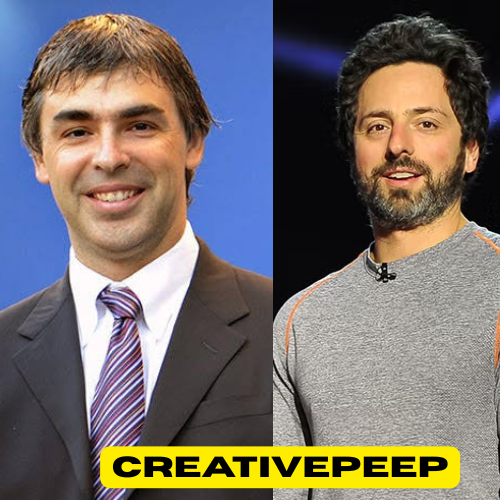
5. Larry Page and 6. Sergey Brin, Alphabet’s co-founders
Larry Page and Sergey Brin built Google into the company now known as Alphabet. Their wealth moves in tandem because both retain large Alphabet holdings, which remain high-performing tech stocks. Page usually ranks slightly above Brin because of differences in their shareholdings, though both benefit when investors view Alphabet as an AI leader.
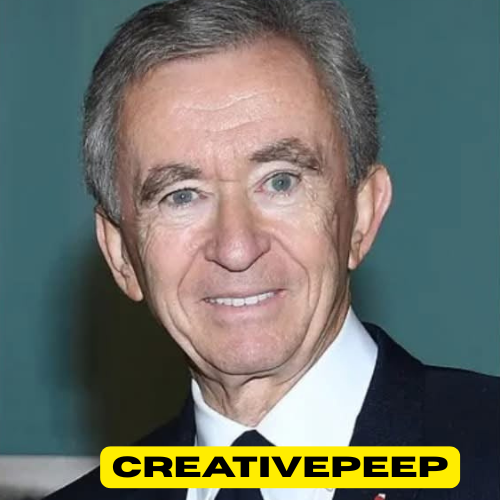
7. Bernard Arnault, the force behind LVMH
Bernard Arnault and his family control LVMH, the French luxury group behind Louis Vuitton, Christian Dior, and many other brands. Luxury spending can slow when economies weaken, so his fortune often moves differently from technology billionaires. His presence here serves as a reminder that global wealth is not limited to Silicon Valley.
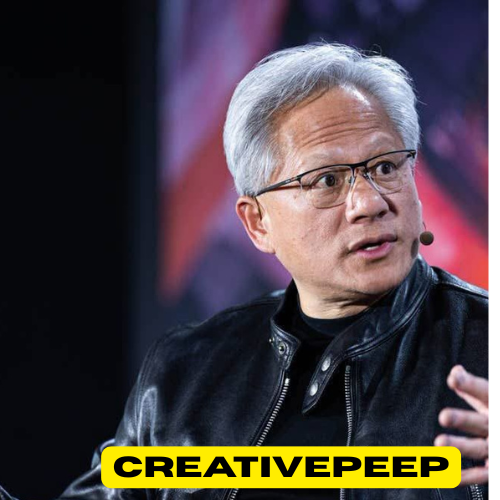
8. Jensen Huang, Nvidia’s AI-chip leader
Jensen Huang co-founded Nvidia in 1993 and has led it through its transformation into a central supplier of AI computing hardware. Nvidia’s massive market capitalization makes his stake worth well over $100 billion. His ranking depends heavily on investor expectations for AI infrastructure spending and data center demand.

9. Steve Ballmer, Microsoft shares and patient ownership
Steve Ballmer joined Microsoft in 1980 and served as chief executive from 2000 to 2014. He kept most of his Microsoft stock after stepping down, and that decision has made the company the primary source of wealth for his family office. Ballmer also owns the Los Angeles Clippers, but Microsoft remains the engine of his fortune.
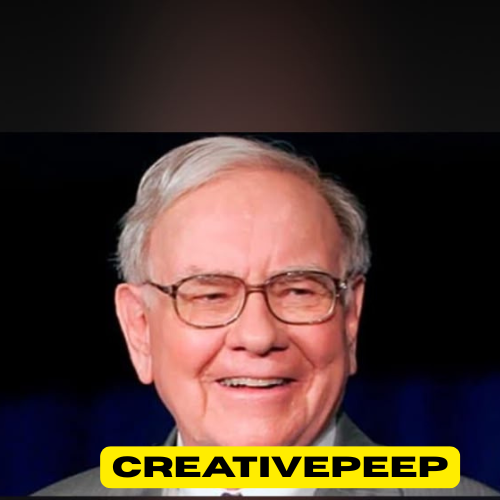
10. Warren Buffett, Berkshire Hathaway’s investor
Warren Buffett built Berkshire Hathaway into a holding company with major insurance, railroad, and investment operations. His net worth remains well over 150 billion U.S. dollars. Although he has given away substantial shares through philanthropy, his wealth reflects more than six decades of disciplined capital allocation. It is worth noting that legendary figures like Bill Gates helped define this era of tech-driven wealth.
Why billionaire wealth changes so quickly
The top 10 may look stable, but the figures are not. Public stock prices are the primary daily driver for these valuations. Alphabet, Meta, Amazon, Nvidia, Microsoft, Tesla, Oracle, LVMH, and Berkshire Hathaway all trade in markets that respond to earnings, interest rates, product news, and investor sentiment. Because these stock prices fluctuate constantly, they can trigger significant shifts in the net worth of the individuals involved.
Private-company valuations matter too. SpaceX’s valuation can move Elon Musk’s total without any public stock trade. Ownership changes also affect rankings when a founder sells shares, gives stock to charity, pays taxes, or receives compensation awards.
Currency moves can change the picture for the world’s billionaires. Bernard Arnault’s assets are heavily connected to a euro-denominated company, while the table reports wealth in US dollars. A shift in exchange rates can alter his total even when the LVMH share price remains steady.
For readers tracking the richest men in the world, the most useful habit is to watch the underlying businesses. A billionaire list is essentially the scoreboard. Company ownership, earnings, and valuation are the factors that explain the score.
Frequently Asked Questions
Why does the net worth of these individuals change so frequently?
The net worth of these billionaires is primarily tied to the daily stock prices of the companies they own or founded. Because these markets fluctuate based on earnings, investor sentiment, and economic news, these valuations can rise or fall by billions of dollars within a single trading day.
Why do different sources report different net worth figures for the same person?
Organizations like Forbes and Bloomberg use distinct methodologies to estimate the value of private assets, account for debt, and handle restricted share holdings. These differences do not mean one source is incorrect, but rather reflect the inherent difficulty in placing a precise, static price on complex portfolios.
Are these billionaires able to spend their entire net worth at any time?
No, net worth is an estimate of total asset value rather than liquid cash in a bank account. Most of this wealth is locked in shares of the companies these individuals lead, and selling those core holdings in large quantities would likely disrupt the company’s share price.
Final thoughts
The July 2026 rankings for the richest men in the world are led by founders and investors whose fortunes are tied to a small group of global companies. Tesla, SpaceX, Oracle, Meta, Amazon, Alphabet, Nvidia, LVMH, Microsoft, and Berkshire Hathaway shape nearly every position on the list.
While the headline number matters, the ownership behind that total wealth matters more. Billionaire wealth is a moving market estimate, and the companies beneath each fortune explain why the rankings fluctuate. Ultimately, market performance continues to dictate the standing of the world’s billionaires.