
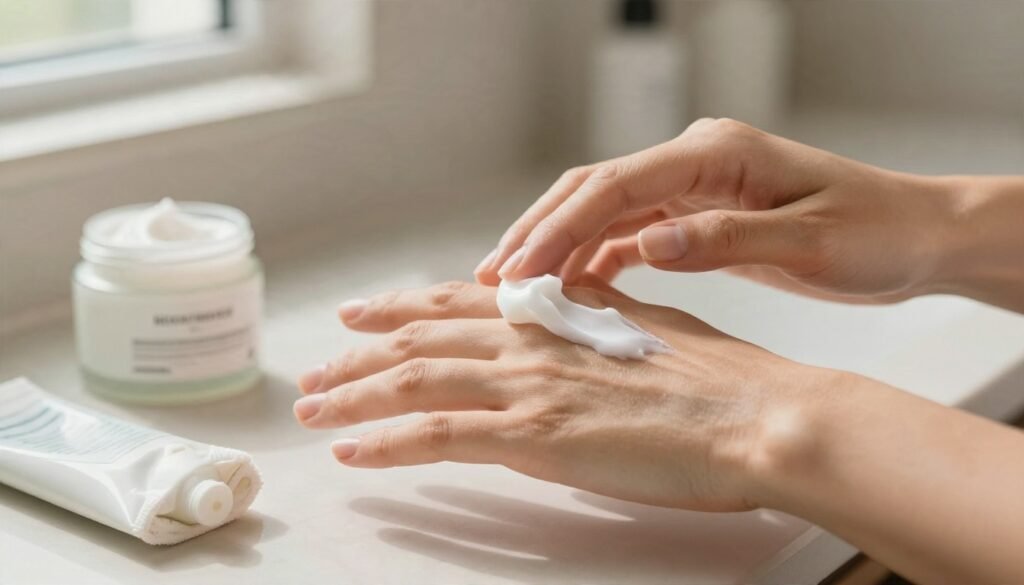

Tight, rough, or cracked hands often improve with a rich moisturizer after every wash and protection from irritating products. Frequent washing, cold weather, and cleaning products can strip away the oils that help your skin hold moisture.
A practical dry hands treatment routine starts with consistent care, rather than waiting until your knuckles sting or your fingertips split. Regular moisturizing often helps, but painful cracks, persistent itching, or symptoms that keep returning may need medical treatment.
Start with gentle washing, then use it throughout the day and adjust your routine around the exposures that bother your skin.
Key Takeaways
- Apply a cream or ointment without added fragrance or dye after washing and whenever your hands feel dry.
- Ceramides support the skin barrier, glycerin attracts moisture, and petrolatum helps keep moisture in.
- Continue necessary hand hygiene, using lukewarm water and moisturizing after washing or once sanitizer dries.
- Wear suitable gloves for cleaning and wet work, and protect your hands during cold weather.
- Seek medical care for painful, recurring, bleeding, or possibly infected cracks, especially when regular moisturizing isn’t helping.
How to build an effective dry hands treatment routine
Affiliate Disclaimer: This post may contain affiliate links. We may earn a commission at no extra cost to you.
A repeatable routine gives your skin more support than an occasional heavy application. Apply moisturizer after washing, after sanitizer dries, and whenever your hands feel dry.
You don’t need a complicated collection of products. One comfortable daytime cream and a thicker ointment for dry spots may be enough.
Moisturize right a
fter washing
Use lukewarm water, then gently pat your hands dry instead of rubbing them with a towel. While your skin is still slightly damp, spread cream or ointment over your palms, backs of your hands, fingers, and knuckles.
The American Academy of Dermatology recommends moisturizing immediately after handwashing to help retain moisture. Reapply after the next wash, even if your skin hasn’t started feeling tight.
Keep a tube of hand cream beside frequently used sinks and carry a small one when you’re away from home. Easy access makes the habit easier to maintain.
Give cracked hands extra care overnight
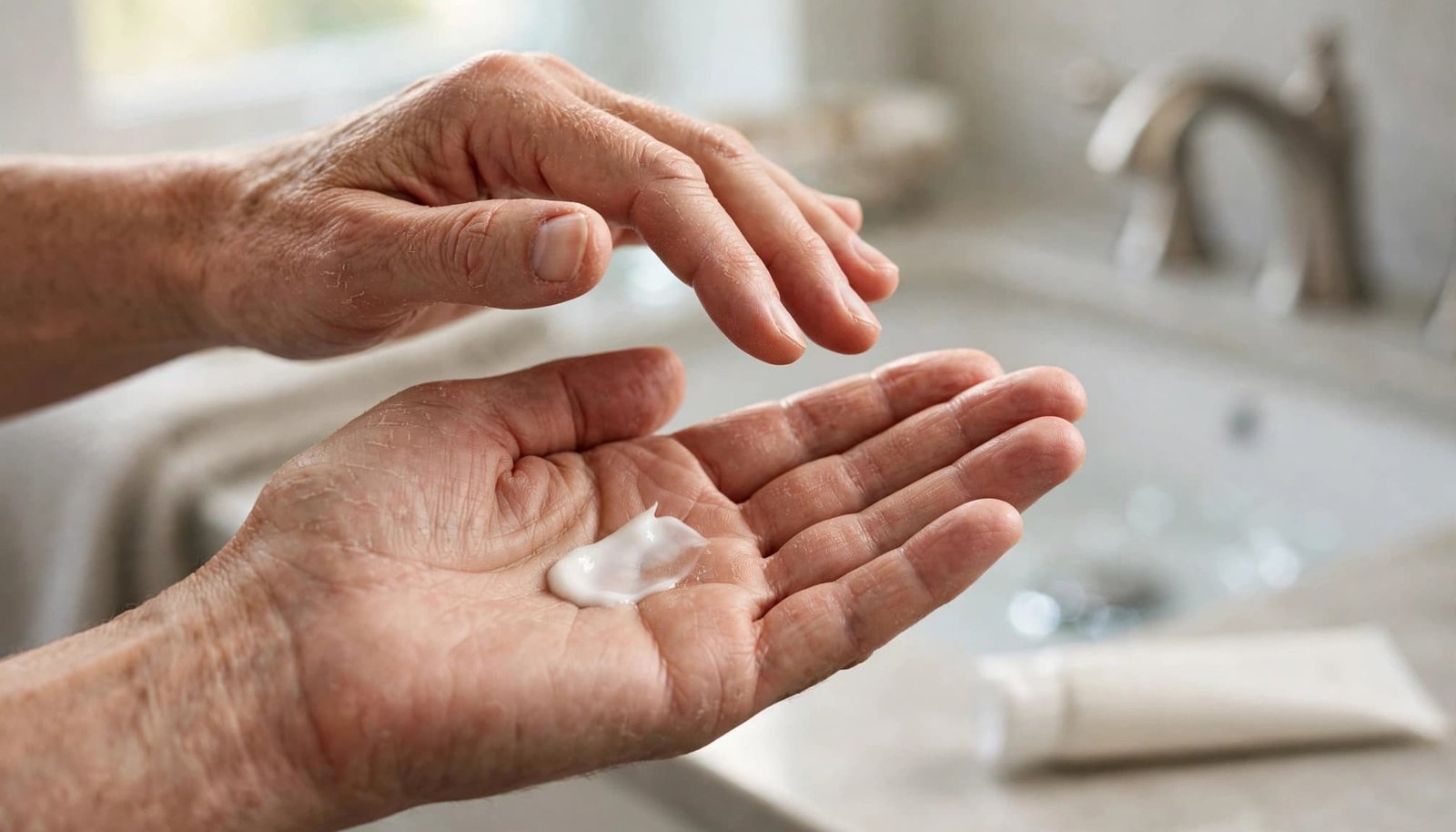
For very dry areas, night moisturizing is an optional step. Before bed, apply a thick, fragrance-free cream or bland ointment to rough fingertips and cracked knuckles. Avoid rubbing sore skin aggressively.
Cotton gloves are optional. They can help keep the product in place and off bedding if they’re comfortable.
An overnight application doesn’t replace daytime care. Repeated washing can remove the product, so reapply it the next day. If an application causes persistent burning or worsening irritation, stop using it.
Which moisturizer ingredients can soothe dry hands?
Choose a fragrance-free, dye-free cream or ointment, especially when your skin already feels sore. Ingredient types can guide your choice, but no single brand is guaranteed to work best for everyone.
Look for ceramides, glycerin, or petrolatum
Ceramides are fats that help support your skin’s protective barrier. Glycerin attracts water, while petrolatum forms a layer that helps reduce moisture loss.
Many of them combine ingredients with these different jobs. You don’t need a separate product for each one, and a longer ingredient list doesn’t automatically mean better relief.
Also, “unscented” doesn’t always mean fragrance-free. Look for a product labeled as made without added fragrance when fragrance irritates your skin.
Use urea carefully on thick, rough skin
Urea creams can help very dry, thickened, or scaling skin. However, they may sting or burn, especially on broken skin or deep cracks.
For that reason, urea isn’t an ideal first choice directly over a painful fissure. Follow the product label, and ask a pharmacist or clinician if you’re unsure whether it’s suitable for your hands.
A bland ointment may feel more comfortable on tender areas.
Compare product labels before buying online
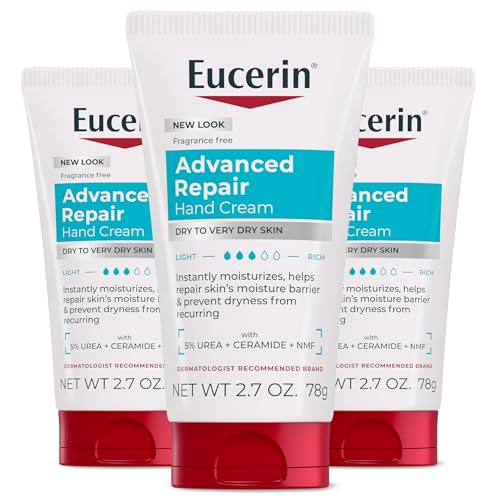
Familiar shopping examples include Vaseline Original Healing Jelly, a petroleum jelly product, and CeraVe Moisturizing Cream for ceramides. Neutrogena Norwegian Formula Hand Cream includes glycerin; choose a version made without added fragrance. Flexitol 10% Urea Cream is a urea-containing option.
These are ingredient references, not a ranking or a promise of relief.
For online purchases, compare the exact formulation, seller, and current listing. Product versions can differ, so a familiar brand name alone doesn’t establish that a formula meets your needs.
Protect your hands from washing, weather, and irritants
Your skin has more chance to benefit when you reduce repeated irritation. Keep necessary handwashing, but change how you handle water, cleaning products, and cold weather.
Wash safely without skipping hand hygiene
Continue routine hand washing with soap and lukewarm water for at least 20 seconds, covering all hand surfaces. Then dry gently and apply the product while your skin remains slightly damp.
When soap and water aren’t available, use hand sanitizer containing at least 60% alcohol. Let the sanitizer dry completely before applying the product.
Antibacterial soaps usually aren’t necessary for routine washing and may dry irritated skin. Don’t replace needed handwashing with skin care alone. Instead, apply the product after washing.
Wear gloves for cleaning and other wet work
Wear suitable protective gloves for dishwashing, household cleaning, and gardening. This reduces direct contact with water, detergents, soil, and other irritants.
If gloves irritate your hands, a cotton liner may help where practical. Remove gloves when the task is finished, and replace damp liners.
Petroleum- and mineral-oil-based products can weaken latex gloves. Follow the glove maker’s material-compatibility guidance rather than assuming every skin-care product works with every glove.
Choose protective gloves suited to the task, especially when handling chemicals. Ordinary household gloves aren’t suitable for every product.

Reduce exposure to products that dry or irritate skin
Notice whether a particular soap, cleaner, or fragranced product makes your hands sting or itch. Choose gentle options without added fragrance when possible.
Don’t use a vinegar soak as a general treatment for cracked or irritated skin without clinician guidance. It can sting.
During cold weather, wear warm gloves outdoors to limit exposure to cold air and wind. Warm gloves can also help protect hands in winter. Also, avoid using very hot water to warm your hands afterward.
These changes should support essential hygiene without encouraging you to skip washing when it’s needed.
Know when dry hands may be hand eczema
Ordinary dryness often improves when you moisturize regularly and reduce irritation. However, ongoing inflammation or repeated cracking can point to hand eczema, with atopic dermatitis as one possible form, or another skin condition.
A dermatologist can assess recurring symptoms and recommend care beyond basic skin care when needed.
Watch for itching, redness, and recurring cracks
Hand eczema can cause persistent itching, inflamed or scaly patches, and painful cracks that return. Skin may look red, darker, purple, or gray depending on your skin tone.
Pay attention to the pattern as well as the appearance. Symptoms that repeatedly return despite moisturizing and avoiding triggers deserve assessment.
The American Academy of Dermatology’s guidance on dry hands and hand eczema recommends medical attention when extremely dry, painful hands don’t improve with frequent moisturizer use.
You don’t need to identify the exact condition yourself. Similar-looking symptoms can have different causes.
Get medical help for pain, infection signs, or symptoms that persist
Arrange care for deep or persistent cracks, bleeding, or worsening pain. Marked redness, swelling, warmth, or pus can suggest infection and warrant prompt medical attention.
Also seek assessment if symptoms spread, repeatedly return, or fail to improve with gentle cleansing and regular moisturizing. Hand eczema may need prescription treatment because that care alone may not control inflammation.
Ask a dermatologist or other clinician about treatment options. They may recommend topical steroids for inflammation or flare-ups when appropriate.
Tell your clinician about frequent wet work, glove use, and products that seem to trigger symptoms. That information can help them distinguish irritation from other possible causes, including contact allergy.
Affiliate Disclaimer: This post may contain affiliate links. We may earn a commission at no extra cost to you.
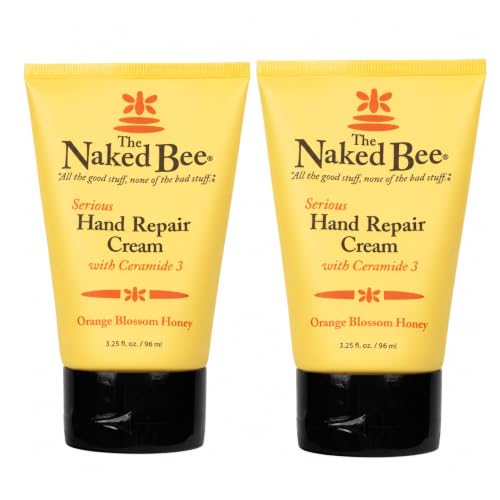
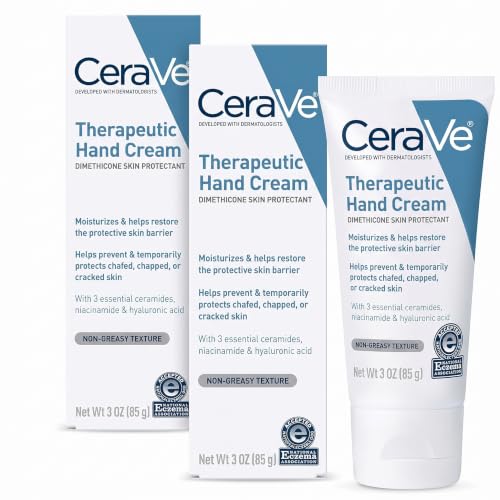
Recommended products for soft and smooth hands


Frequently Asked Questions
How long does it take for dry hands to heal?
Mild dryness may start improving within days of consistent care, but there’s no fixed recovery time for everyone. Deeper cracks and continued exposure to water or irritants can take longer to settle. Seek medical advice if your skin isn’t improving or gets worse rather than waiting for a deadline.
Is lotion or ointment better for very dry hands?
Creams and ointments are often more useful than thin lotions because they provide a richer layer of moisture protection. Ointments tend to feel greasier, so a cream may be easier to use during the day. Choose something your skin tolerates and that you’ll apply regularly; a product you avoid using won’t help much.
Can hand sanitizer make dry skin worse?
Frequent sanitizer use can contribute to dryness or irritation for some people, particularly when the skin is already cracked. However, necessary hand hygiene should continue. Use the appropriate sanitizer when soap and water aren’t available, let it dry, and then apply it without wiping off the sanitizer early.
Should I put moisturizer on open cracks?
Gentle care and a bland, fragrance-free ointment can help dry, cracked areas if your skin tolerates it. Avoid putting potentially stinging products, including urea creams, directly into deep fissures. Get medical advice for cracks that are deep, bleeding, worsening, or possibly infected, and don’t rely on cosmetic hand cream to treat an infection.
Give Your Hands Consistent Care
Relief usually starts with a simple habit: choose a rich product without added fragrance, apply it after washing, and repeat it throughout the day. Protect your hands during wet work and use an overnight ointment when extra dryness calls for it.
The most useful routine is one you can keep using, with products that feel comfortable on your skin. Frequent reapplication matters more than buying several different creams.
Painful, recurring, or nonhealing symptoms deserve medical attention. If your hands keep cracking despite steady care, a clinician can assess the cause and recommend treatment.