


A polished draft can still miss search engine optimization goals if it targets the wrong question. The strongest AI SEO tools for bloggers help you find real opportunities, shape a useful article, and spot on-page gaps before publishing.
The goal isn’t to let software write a hundred posts for you. It’s to spend less time guessing while boosting your SEO performance, keeping your experience, judgment, and voice at the center of every page.
Key Takeaways
- AI tools work best when each tool has one clear job, such as keyword research, content briefs, or updating older posts.
- Semrush, Ahrefs, and SE Ranking suit bloggers who need search data beyond a single article.
- Surfer, Clearscope, NeuronWriter, and Frase serve as effective content optimization tools for researching and optimizing individual posts.
- WordPress bloggers can reduce tool sprawl with Rank Math’s AI features and a strong research platform.
- AI can suggest angles and improve structure, but it cannot verify facts, replace firsthand experience, or guarantee rankings.
What AI SEO Tools Actually Do for a Blog
AI has changed the pace of content work, but it hasn’t changed the basics of good search engine optimization and search performance. Readers still want a direct answer, accurate details, clear organization, and a page that loads properly. Search engines still need enough context to understand the topic and trust the site.
The useful part of AI is pattern recognition. A platform can run SERP analysis across leading pages for a query, group related terms, identify common subtopics, and turn that research into an outline. That saves time at the blank-page stage, especially when you publish practical guides, reviews, recipes, travel tips, or personal finance explainers.
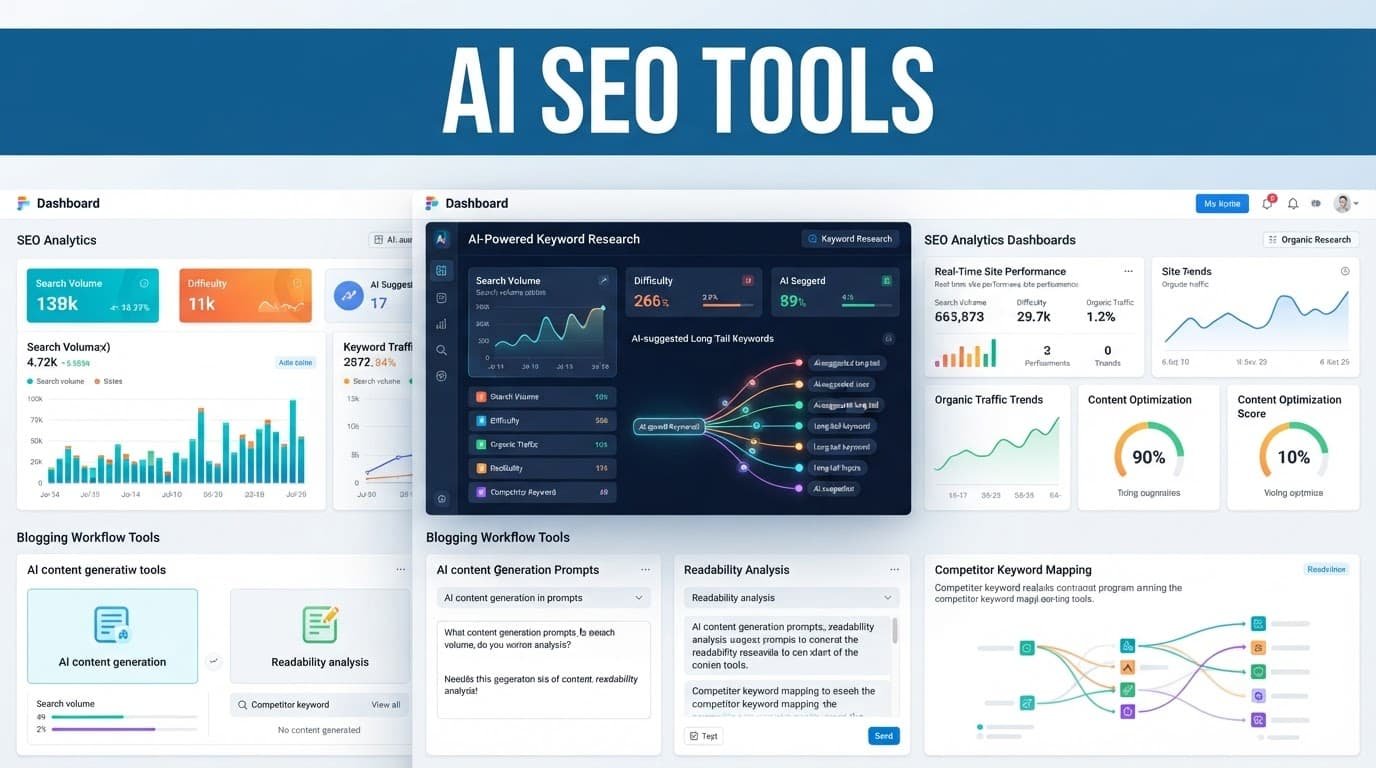
For example, a blogger planning an article about low-cost family travel can use keyword research to separate searches for “cheap family vacations” from searches for “family travel budget template.” Those readers need different articles and have a completely different search intent. An AI brief can then surface topics that appear across high-ranking pages, such as transport costs, meal planning, school-break timing, and travel insurance.
The best AI SEO tools for bloggers also help with tasks that happen after publishing. They can flag a page losing clicks during a routine content audit, show which terms it ranks for, identify missing internal links, or help you refresh an older article without rebuilding it from scratch.
Still, the output is a starting point. A keyword cluster can be wrong. A suggested claim can be outdated. A content score can reward repetitive wording. One 2026 AI SEO tool comparison is useful for comparing feature categories and assessing AI search visibility, but no platform understands your readers as well as you do.
A high optimization score only shows alignment with patterns in current search results. It does not prove an article is accurate, original, or more helpful than its competitors.
Best AI SEO Tools for Bloggers, Compared by Job
Buying an all-in-one subscription before you know what you need is an expensive habit. Start with the problem that slows your publishing process.
| Tool | Strongest use | Typical entry price cited in 2026 | Best fit |
|---|---|---|---|
| Semrush with ContentShake | Keywords, competitors, briefs, site research | About $119 per month and up | Established blogs with several content categories |
| Ahrefs | Competitor research, backlinks, topic opportunities | About $129 per month and up | Bloggers building authority and links |
| Surfer | On-page optimization and content scoring | About $99 per month and up | Frequent publishers updating articles often |
| Clearscope | Editorial content quality and topic coverage | About $170 per month and up | Teams with a larger content budget |
| NeuronWriter | Affordable content optimization | About $19 to $23 per month and up | Solo bloggers and freelancers |
| Frase | Search research and content briefs | About $15 to $45 per month and up | Writers who want faster article planning |
| SE Ranking | Rank tracking, audits, and integrations | About $52 per month and up | Value-focused bloggers who need broad SEO data |
| Rank Math AI features | WordPress on-page support with seamless WordPress integration | Free options, with paid plans available | WordPress-first sites |
Prices, limits, and AI credits can change by region, billing cycle, and plan. Check the provider’s checkout page before budgeting, especially if an AI writing add-on is billed separately. A broad test of AI SEO platforms also shows why a single best choice rarely fits every site.
For most bloggers, one research tool and one optimization tool are enough. Google Search Console, Google Analytics 4, and your own comments, emails, and sales data should guide the final decision and shape your broader content strategy. Software reveals demand. Your audience tells you what is missing.
The Tools Worth Shortlisting in 2026
Semrush and ContentShake for broad topic research
Semrush makes sense when your blog has grown beyond occasional posts. Its keyword database, competitor analysis, site audit features, and position tracking help you decide what to publish next. You can compare your domain with competing sites, find pages that bring them traffic, and look for subjects where your site has a realistic chance to compete.
ContentShake adds AI-supported ideation, content planning, and drafting to that wider research base. This pairing suits bloggers who manage several categories and want one system for planning, tracking, and improving content. A lifestyle site, for instance, might use it to compare opportunities across wellness, budgeting, home organization, and travel.
The trade-off is cost and complexity. Semrush is more than many new bloggers need, and its reports can become a distraction. Pick a few recurring actions, such as reviewing keyword gaps every month and checking declining pages every quarter. Ignore the rest until it solves a real problem.
A 2026 roundup of SEO platforms is a useful reminder that automation tools can sit alongside traditional research suites. However, bloggers should prioritize reliable data over flashy workflow experiments.
Ahrefs for competitive research and link opportunities
Ahrefs is a strong choice when your next challenge is understanding why a competing article outranks yours. Its keyword and site exploration tools show the pages driving traffic to other websites. Its backlink data can also reveal publications, resource pages, and references that support competing content, making it easier to plan backlink outreach targets.
That information is valuable for bloggers in crowded fields. If you write about consumer finance, health, or travel, top pages often have strong links and trusted source citations. Through careful competitor analysis, Ahrefs helps you see whether your main problem is weak topical coverage, a better-established competitor, or an article aimed at the wrong query, all while building long-term topical authority.
Use the data to find gaps, not to copy another site. Look for questions competitors barely answer, outdated pages with growing demand, and useful supporting posts they lack. Then create the article with your own examples, reporting, photos, or expertise.
Ahrefs costs more than a lightweight content editor, so it is usually a better purchase for a site with a publishing schedule and clear growth plan. Bloggers who only need a stronger outline may get more value from Frase or NeuronWriter.
Surfer SEO and Clearscope for content optimization
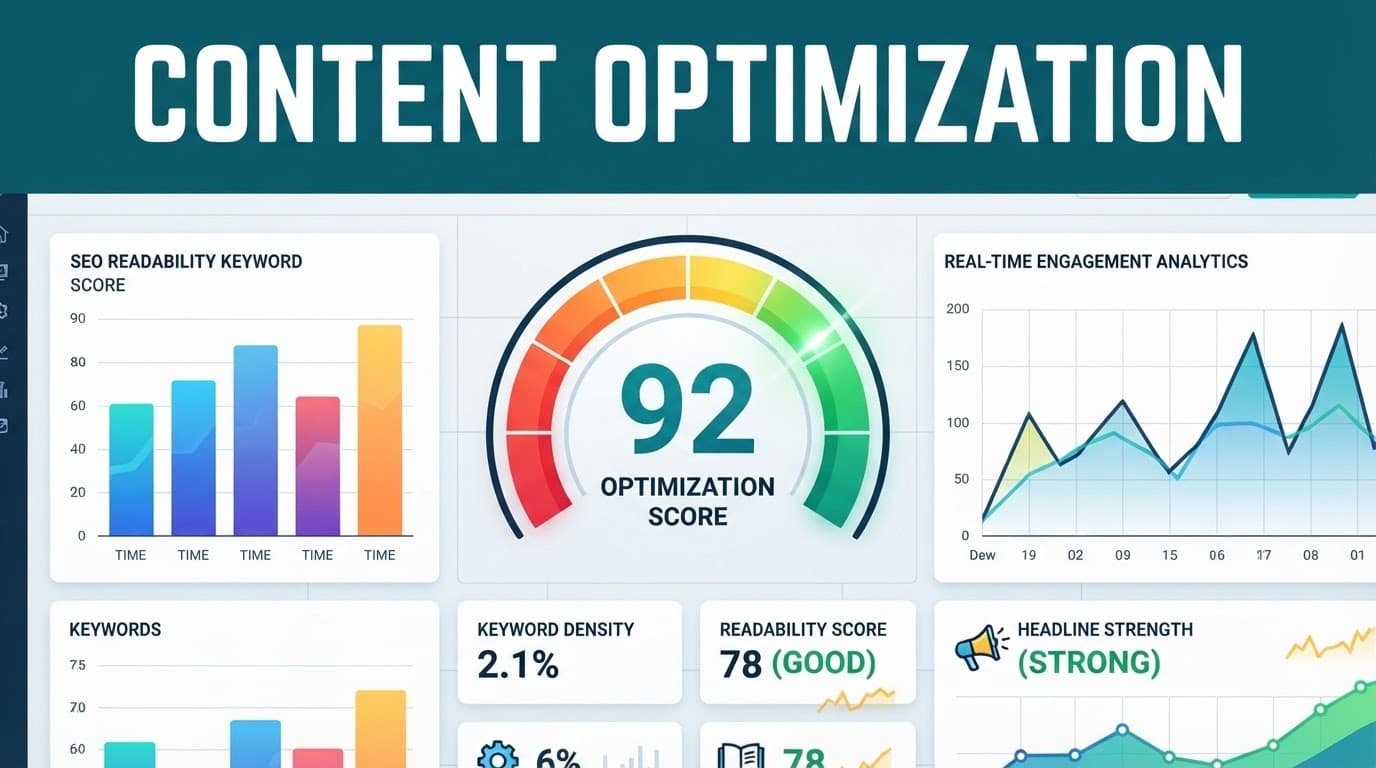
Surfer SEO and Clearscope focus on the page in front of you. Both analyze ranking pages and recommend related terms, headings, length ranges, and topical coverage. Through careful SERP analysis, Surfer provides a real-time editor score that is especially helpful when you are revising a post that already has some impressions but few clicks or weak average positions, improving your overall on-page SEO.
Clearscope is popular with editorial teams because it puts readability and topic coverage inside a clean writing workflow. Its price makes more sense for a business blog or a group of writers than for a hobby site with two posts a month.
Neither product should turn your writing into a scavenger hunt for keywords. If a recommended phrase does not belong in a useful sentence, leave it out. Repeating unnatural terms can make a page worse for readers. Search intent matters more than filling every suggested gap.
Use these tools after you have a real angle. An article about “best budget laptops” needs product testing, current pricing, and clear buying advice. A content editor can help you cover battery life and ports. It cannot test a keyboard or prove a product is good.
NeuronWriter and Frase for smaller budgets
NeuronWriter is one of the most practical AI SEO tools for bloggers who want content optimization without a premium subscription. It combines SERP analysis, topic suggestions, writing support, and content scoring at a lower starting price than many large platforms. It is a sensible option for a solo creator who publishes hands-on guides and wants a repeatable editing process.
Frase is strongest at the earlier research stage. Its SERP analysis and brief builder can pull common questions and headings into one place, while various AI writing assistants help shape the initial draft. That is helpful when you need to plan articles quickly but still want to see what searchers expect to learn.
Both tools require restraint. Review the source pages behind their suggestions, because top results may contain weak advice or date-sensitive information. For medical, legal, financial, safety, or product recommendation content, verify every material statement with primary sources before publication.
SE Ranking and Rank Math for a WordPress-centered workflow
SE Ranking offers rank tracking, keyword research, audits, reporting, and content features at a price that often suits small sites better than enterprise suites. It also connects with Google Search Console, Google Analytics 4, Google Docs, and WordPress. That flexibility is helpful if you want one main dashboard without paying for every specialty tool, especially when managing technical SEO details.
Rank Math brings on-page SEO checks directly into WordPress. Its AI features can help generate title ideas, meta descriptions, and content suggestions inside the editor. Keep control of those fields. A title should tell a human what they will get, not cram in every variation of a keyword.
Together, these tools can cover a large share of a WordPress blogger’s routine. SE Ranking handles visibility and research. Rank Math helps with publishing basics, schema settings, and page-level checks. The step-by-step 2026 overview of AI SEO options can help you compare that type of workflow with a larger research suite.
Build a Tool Stack That Matches Your Budget
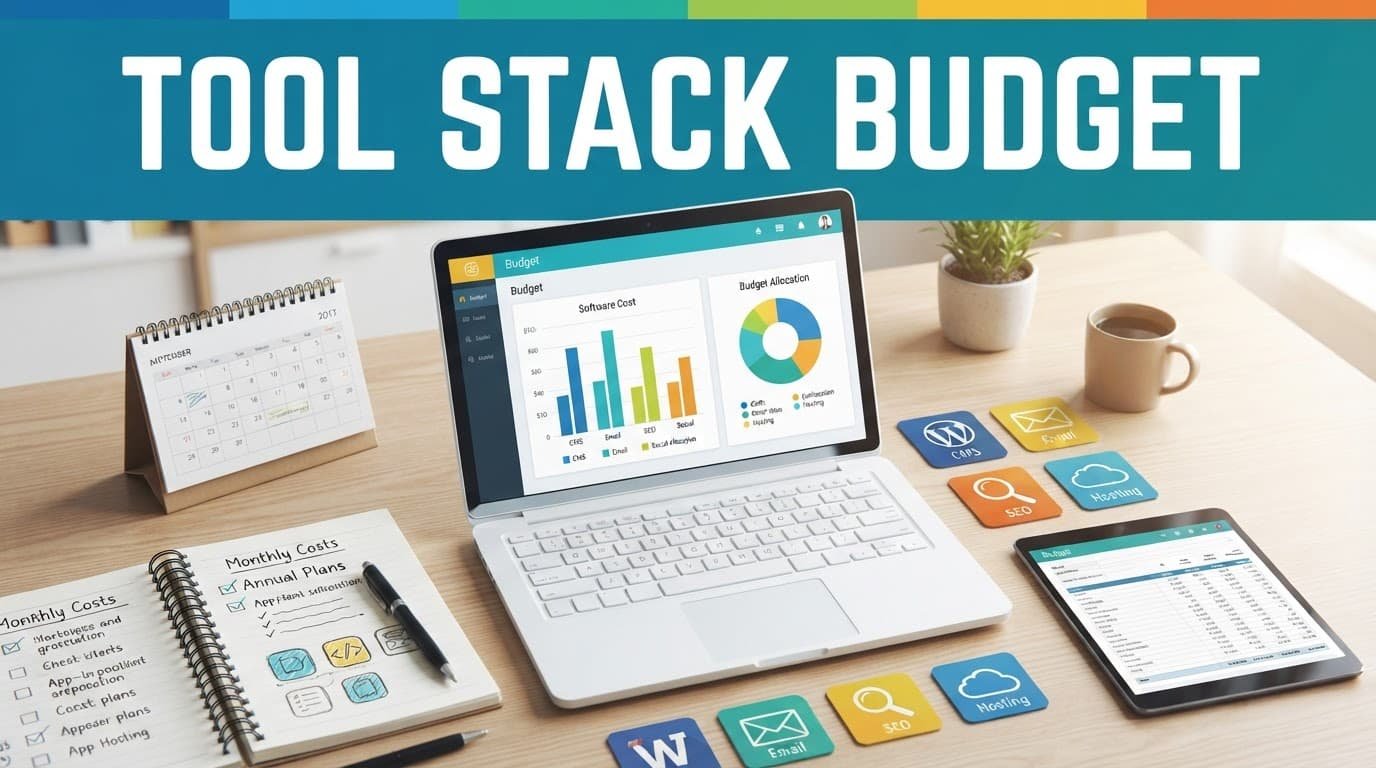
A good stack is small enough to use every week. Paying for five dashboards will not improve a blog if you only open them when renewal notices arrive, and your chosen tools should always support your broader content strategy.
For a new site, start with free first-party data. Search Console shows the queries that already create impressions. Analytics shows what visitors do after they arrive. Add a low-cost content tool only when you have enough posts to establish a pattern.
These budget ranges give most bloggers a practical starting point:
- Under $30 per month: Use Search Console and Analytics, then add ChatGPT or Claude for ideation and NeuronWriter for article optimization if its entry plan fits your workload.
- Around $50 to $90 per month: Pair SE Ranking with a light writing assistant, or use Frase plus content optimization tools to keep your schedule moving.
- Around $100 to $150 per month: Choose Semrush or Ahrefs for deeper research, then use your own editorial process for optimization. A Surfer subscription may fit better if you already know what to write.
- $170 and above: Clearscope, Semrush add-ons, or several specialized products can make sense for a high-output site or small content team. Track whether those costs lead to better pages, more useful updates, or revenue.
Avoid paying for overlapping features. Semrush, Ahrefs, and SE Ranking all cover parts of keyword research, site analysis, and rank tracking. Surfer, Clearscope, and NeuronWriter all cover parts of content optimization. Choose the interface and depth you will use, then give the subscription three months to prove its value.
Your blogging goal should set the budget. A personal site that earns through affiliate content may need competitor and product research. A local service blog may need location-focused pages and technical checks. A newsletter-driven creator may care more about evergreen questions that bring qualified readers than chasing high-volume terms.
A Safer AI-Assisted SEO Workflow
AI works best inside a structured content creation workflow. Let it handle repetition, but keep humans responsible for claims, recommendations, and judgment.
- Start with evidence. Check Search Console for pages with impressions but low click-through rates, keywords ranking near page one, and posts that have lost traffic. Then use a research tool to expand related questions and compare search intent.
- Create a brief before a draft. Build detailed content briefs that record the reader’s problem, the article’s promise, the questions it must answer, and sources you need to verify. Ask AI for possible outlines, but cut headings that do not support the reader’s goal.
- Write the useful parts yourself. Add firsthand experience, original photos, product tests, local details, calculations, quotes, or clear explanations. Those details separate a helpful post from a generic summary.
- Optimize after the article works. Use a content editor to handle on-page SEO by spotting missing topics, improving headings, writing a concise meta description, and adding sensible internal linking. Keep the final copy natural, even if the score drops.
- Review performance and refresh. Perform a regular content audit after the article has had time to collect impressions. Update changing facts, remove weak sections, and expand parts readers search for. Do not rewrite a page merely because an AI tool suggests more keywords.
This process keeps AI in the assistant’s chair. It can speed up research and editing, yet it should never become the author of advice that readers may rely on.
Keep Search Quality and Reader Trust Above Automation
AI-generated text can sound confident when it is wrong. That risk grows when a post covers money, health, law, insurance, travel restrictions, product safety, or current prices. Check primary sources, note dates where they matter, and link readers to the organizations or documentation behind important claims.
Avoid publishing unedited drafts from AI content generators at scale. They often repeat the same broad statements, overlook unusual cases, and use citations that do not support the sentence. They can also flatten a writer’s voice, which makes a blog harder to remember.
No tool can guarantee a ranking, a featured result, or a place in Google AI overviews. Search results change because competing pages improve, intent shifts, and systems assess quality in ways no score can fully capture. When you adapt your strategy for generative engine optimization, remember that the practical standard is simpler: publish a page that gives the reader a better, more accurate answer than what already exists.
As you build out your broader content marketing efforts, always prioritize human expertise and factual accuracy so readers continue to trust your blog over generic automation.
Frequently Asked Questions
Can AI SEO tools completely write my blog posts for me?
While AI can generate full articles, doing so often leads to generic content, factual errors, and a loss of your unique voice. The strongest AI SEO tools are designed to assist with research, outlining, and optimization rather than replacing human writing and expertise.
How many AI SEO tools do I actually need as a blogger?
Most bloggers only need one keyword research tool and one content optimization tool to manage their workflow effectively. Subscribing to multiple overlapping platforms usually leads to unnecessary expenses and workflow clutter.
Are expensive SEO platforms like Semrush and Ahrefs worth it for beginners?
Paid suites like Semrush and Ahrefs are typically unnecessary for new bloggers who can rely on free platforms like Google Search Console and Analytics. These advanced tools become more valuable once your site has an established publishing schedule and you need deep competitor analysis.
Final Thoughts
The best AI SEO tools for bloggers reduce guesswork without replacing editorial judgment. Choose a research platform for decisions, an optimization tool for improving drafts, and a workflow you can sustain while adapting to generative engine optimization.
A useful article begins with the reader’s question, not an AI prompt. When the facts are checked and the advice is genuinely yours, software becomes a helpful editor that protects your AI search visibility instead of acting as a noisy substitute.Artificial Intelligence 2026: What It Does and Where It Fits